Waikato Sharemilkers Regain Confidence Despite Policy and Climate Risks
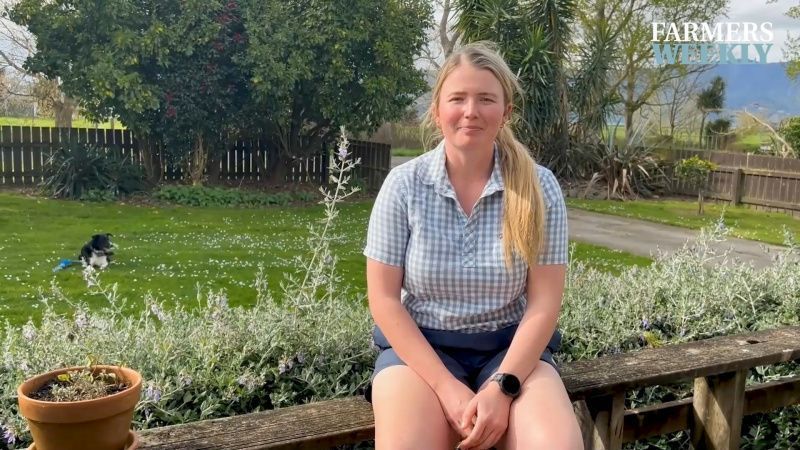
Confidence has recovered in several of New Zealand’s main dairy regions, including the Waikato area between Te Aroha and Morrinsville. Carla de Wet, a sharemilker and agricultural leader in the region, described conditions as improved from the regulatory and economic pressures of recent seasons. The change has coincided with firmer milk-price payments and less hostile discussion of dairying on social media. Dairy businesses are rebuilding commercial momentum, although operators have also pointed to pressure on household budgets, higher urban living costs and gaps in rural services.
The legal framework for sharemilking remains a central concern. New Zealand’s Sharemilking Agreements Act has not undergone a substantive review since 1985. Producer organisations, including Federated Farmers and Young Farmers networks, say the legislation does not adequately reflect current arrangements involving high-value livestock purchases, automated milking systems and larger operating expenses. They are seeking clearer protections for contract milkers and variable-order sharemilkers, including updated procedures for resolving disputes and allocating profits.
Sharemilking is a route through which younger farm managers build equity in herds before seeking to buy freehold land. Its participants therefore face a regulatory system that affects both present contracts and the progression of new operators into farm ownership. The organisations representing producers have called for agreements that correspond more closely to the capital requirements and technology used by modern dairy farms.
Political uncertainty is another issue for businesses that make investment decisions over long periods. Dairy holdings can plan capital spending across 10 to 20 years, while environmental rules, freshwater requirements and emissions-pricing arrangements may change with governments. Rural voters traditionally aligned with the centre-right are considering National, ACT and New Zealand First ahead of the general election. Agricultural advocates have urged future ministers to provide durable, cross-party rules so farm managers can prepare nutrient plans, improve infrastructure and set herd numbers without abrupt regulatory changes.
Weather risk is also being monitored across the Waikato and the wider North Island. Meteorological warnings about a potentially severe El Niño phase have raised the prospect of extended dry conditions, weaker summer pasture growth and local feed shortages. Farmers are facing higher costs for supplementary grain, baleage and diesel used in rural transport than during earlier dry periods, when many farm balance sheets held larger cash buffers. Dairy operators have identified government policy, farm inputs, world commodity prices and weather as factors beyond their direct control, and have called for flexible drought assistance, advance regional water rules and government disaster support.
The sector’s longer-term performance also depends on the condition of rural communities. Schools’ bus services, access to healthcare and reliable telecommunications are among the infrastructure cited as necessary to retain skilled farm workers. Dairy co-operatives and farm lenders view firm commodity returns combined with controlled farm spending as an opportunity to reduce term debt before 2027. Producers are also being asked to maintain environmental compliance, revise sharemilking agreements and protect grazing herds from weather volatility while preserving the cost position of pasture-based dairy farming.