Tomazina’s Vovó Zaine Cheesery Gains Recognition Beyond Paraná
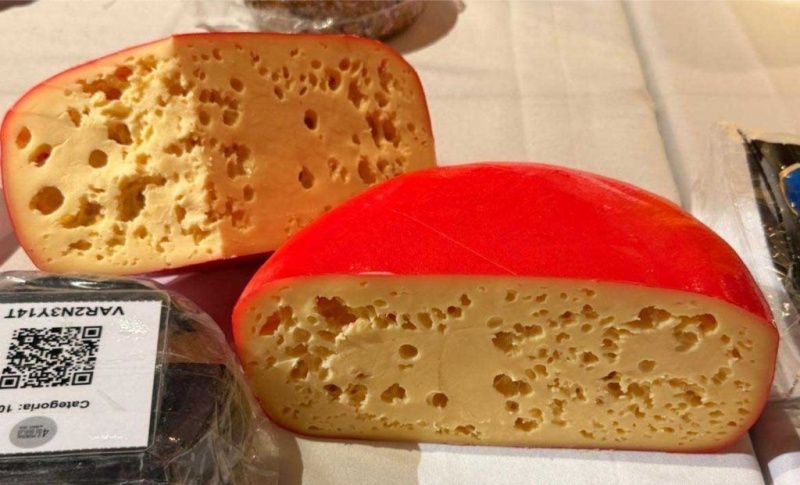
Cheeses from Paraná have been gaining recognition in Brazil and abroad, with the state increasingly associated with products of high quality and added value. Technical assistance from the Paraná Rural Development Institute (IDR-Paraná) and the Paraná Agricultural Defence Agency (Adapar) covers stages ranging from herd management and milk quality to the organisation and legal compliance of small-scale processing businesses.
Paraná’s participation in the World Cheese Awards is one result of that work. The competition is organised each year by Britain’s Guild of Fine Food and is devoted exclusively to cheese. At the latest edition, held in November 2025 in Bern, Switzerland, specialists from more than 50 countries assessed more than 5,000 cheeses.
The story of Vovó Zaine Cheesery began in 2020, when Paulo Henrique da Silva and Camila de Fátima Gonçalves da Silva decided to establish the business in Tomazina. Through the Agroindustry and Dairy Farming programmes, IDR-Paraná assisted them with planning the facility, analysing the construction project and completing the documentation required for formal operation.
The support also covered sanitary improvements to milk production, product storage and the formal sale of the cheeses. Extension specialists provided training in pasture management, animal nutrition and storage, as well as assistance with fitting out and obtaining approval for the cheesery.
The changes increased output and improved the quality of the products. The cheesery makes light, soft cheeses with a semi-cooked texture and mild flavour. The family has received silver and bronze medals in two editions of the Queijos do Paraná award, organised by a committee including IDR-Paraná, Sebrae-PR, the Paraná trade and dairy-industry organisations, and the Paraná agriculture federation.
The family now relies exclusively on cheese sales and receives visitors from across the state. Alfredo Braz da Costa Alemão, an agricultural engineer and IDR-Paraná extension specialist, said that the business showed how technical guidance could create new opportunities for a rural family. He said the institute had followed the operation from herd care and milk quality through to the cheesery’s structure and legalisation, adding that the raw material directly affects the cheese’s yield, texture, aroma, flavour and stability.