Sensors and Data Are Changing Colombia’s Dairy Management
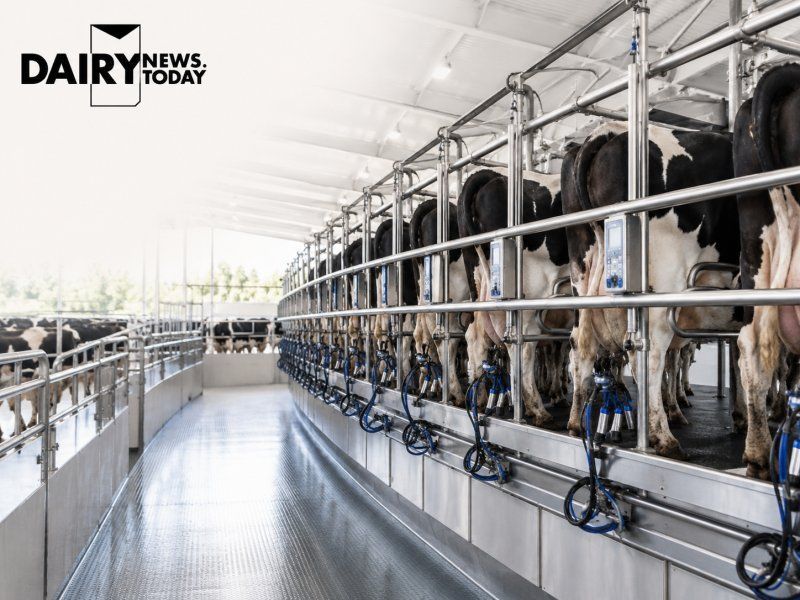
On a dairy farm, information from sensors and digital records can reveal a decline in output or a change in animal behaviour before it is visible in the herd’s overall results. The purpose of the technology is not only to collect data, but to turn measurements into decisions about feeding, animal health, labour and production efficiency.
Digital systems can record milking activity, storage conditions and health management. Producers can use those records to compare performance over time, identify deviations and answer operational questions such as how much milk each animal produces, how its yield is changing and where efficiency losses may be emerging.
The same information can be used to adjust rations and manage water, farm supplies and working time more precisely. Its usefulness depends on the farm’s management: a sensor may generate hundreds of readings, but those readings have value only when they lead to an action involving nutrition, health, handling or productivity.
Animal traceability is another application. Identification systems can connect an individual animal with records on feeding, health status and management. Those records can follow the production process and document how the milk was obtained before it reaches subsequent stages of the supply chain.
Such documentation is relevant to increasingly specific sanitary and commercial requirements. It can support quality checks both on the farm and later in the chain, while giving producers a record of production practices that may be required when dealing with external markets.
For Colombia, this capacity also has a trade dimension. In the first quarter of 2026, the country exported $3.989bn and more than 2m tonnes of agricultural and agro-industrial products. The figures cover the wider agricultural sector rather than dairy or meat alone, but they indicate the role of quality, sanitary and traceability requirements in international trade.
Digitalisation therefore shifts the focus from recording what has already happened to identifying deviations early enough for a farm to respond. The technology does not replace sound management; it supplies information that can make each cow a separately documented production unit rather than only part of the herd average.