Research Shows How Cheese Affects Children’s Mouths
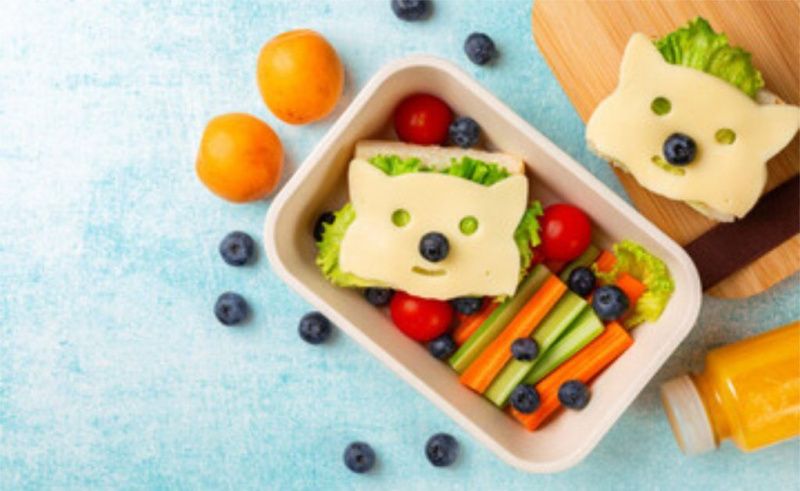
With the school year under way in Portugal, nutritionist Mariana Chaves of the “Aprender a Comer” programme described a balanced school snack as one containing a dairy product, a cereal and a fruit. The guideline is based on Portugal’s Directorate-General of Health publication “Healthy School Snacks”. Chaves said a common mistake is to fill lunch boxes mainly with biscuits and juice, leaving the meal nutritionally unbalanced.
Cheese can supply nutrients important during childhood and adolescence. A portion weighing about 20 grams contains approximately 5 grams of protein and 140 milligrams of calcium. These nutrients are involved in growth and the development of bone mass.
Chaves referred to a 2013 study published in a dental-medicine journal that examined 12- to 15-year-olds who consumed cheese, milk and unsweetened yoghurt. The participants who ate more cheese showed a rise in oral pH after eating it, indicating a less acidic environment in the mouth.
Sugars and starches, including those in bread, can be converted by oral bacteria into acids that lower pH and contribute to the demineralisation of tooth enamel. According to Chaves, cheese may counter this process in two ways. Its texture requires chewing, which stimulates saliva and helps neutralise acidity. She contrasted this with fruit purée in a pouch, which can be swallowed with little chewing; eating a whole apple requires more mastication and therefore stimulates more saliva.
The second possible route relates to cheese’s composition. Casein, its main protein, together with calcium and phosphorus, contributes to the remineralisation of enamel. Chaves stressed that this effect does not make cheese a substitute for toothbrushing, nor should cheese be considered an oral-hygiene product. She said that, within a school snack, it could be eaten last rather than ending the meal with biscuits and a sugary drink, which can increase acidity without supplying calcium or phosphorus.
Salt content is a consideration when choosing dairy products. Cheese generally contains more sodium than milk or yoghurt, so Chaves recommended varying dairy foods during the week and checking nutrition labels. Reduced-salt products are available, while fresh cheese is generally lower in sodium. For children who do not eat dairy products from animals, she identified soya as a possible source of calcium.
Cheese can be packed in cubes, included in an avocado wrap, mixed with tuna as a bread spread or placed in slices on a mixed-grain roll. The latter contains more fibre than white bread and can contribute to the nutritional balance of the snack.