Peter Mulheron installed a portable solar-and-battery microgrid
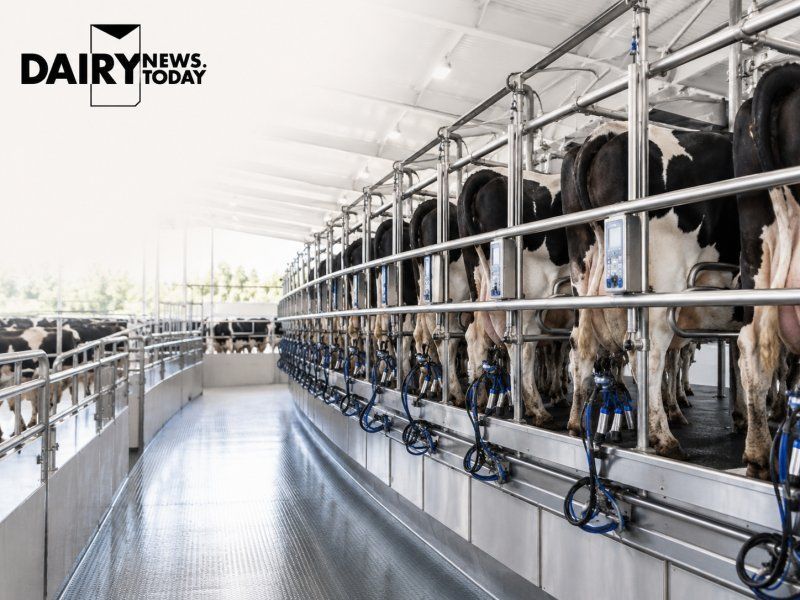
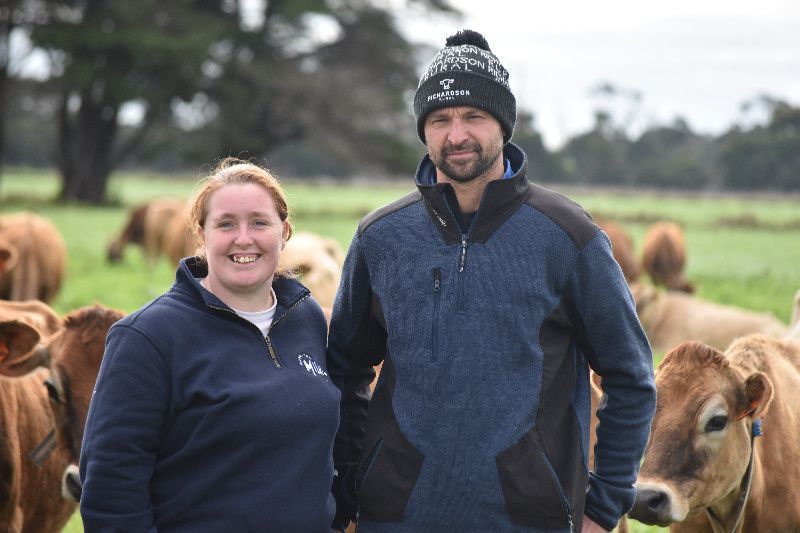
Mulheron runs about 240 cows with his wife, Trish, and son, James, at Swan Marsh in south-west Victoria. He had considered rooftop solar as a way to limit exposure to rising electricity prices and outages on the rural grid, but the farm’s usage pattern made a conventional installation unsuitable. Much of its electricity is consumed in the early morning and late evening, when solar panels produce little or no power.
Dairy operations require electricity every day for milking and related work. The farm also heats water to about 90°C for cleaning and food-safety purposes. After measuring consumption in detail, the Mulherons found that hot water represented more than half of their energy use.
Outages caused by bushfires, winter storms and other emergencies can last six to eight hours or longer. When as much as 9,000 litres of milk is in storage, a prolonged interruption can result in losses of up to $10,000, including the value of discarded milk.
The system was developed with PHNXX after Mulheron’s son undertook an engineering internship at the company, which was working on portable solar and battery equipment for mining. A pilot began with two solar panels, a small wind turbine and a battery powering a spotlight. PHNXX later installed 32.5kW of solar capacity and 128kWh of storage, initially targeting the dairy’s hot-water demand.
The pilot remained at the farm for several months while the company collected data on electricity use and solar generation. Mulheron said it produced about $13,400 in savings and gave the family figures for designing a larger installation around actual loads. He said the results provided more confidence than relying on a sales presentation.
The system installed in March consists of 105kW of solar generation and 241kWh of battery storage. PHNXX estimates that it could lower annual energy costs by more than $22,000 and says the microgrid supplies roughly 90% of the farm’s consumption from the grid. The batteries and inverters are housed in shipping containers, while the solar array extends on rails in a concertina-like arrangement. Mulheron said deployment takes about four hours.
The portable format also addressed the family’s uncertainty about the farm’s long-term future and their remaining years in dairying. Mulheron said that committing to substantial permanent infrastructure was difficult when other dairy farms in the area had already ceased operating. His advice to other farmers is to measure their own electricity demand and assess how much energy local conditions can generate before buying a renewable-energy system.