Nigeria opened talks with Uganda on dairy cooperation
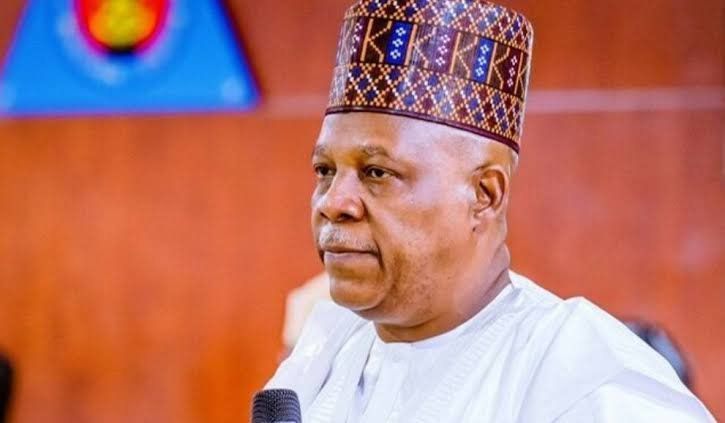
Nigeria’s Minister of Livestock Development, Idi Mukhtar Maiha, met Uganda’s ambassador, Philip Odida, on October 15 to examine areas for collaboration between the two countries. Nigeria’s ministry said the discussions covered cattle genetics, veterinary services, feeding systems and milk-processing capacity.
Uganda’s dairy expansion
Uganda’s recent performance has provided a reference point for the discussions. Figures compiled by Uganda’s Ministry of Agriculture show that national milk production rose from 2.7bn litres in 2020 to 5.4bn litres in 2024. Dairy export earnings increased from $102.6m in 2022 to $285.4m in 2024.
Milk powder and ultra-high-temperature, or UHT, milk are among Uganda’s main dairy exports. The country’s experience combines primary production with processing and access to regional markets. Processing allows raw milk to be turned into products with longer storage requirements than fresh milk when manufacturing, packaging and handling standards are maintained.
Nigeria’s production target
Nigeria announced in June 2025 that it intended to double domestic milk production to 1.4m tonnes annually by 2030, with support from private investors. The ministry’s stated areas for improvement include cattle breeds, animal nutrition, veterinary care, reproductive management, milk collection and cooling facilities.
Feed supply is a central issue in the production system described by Nigerian officials and industry representatives. Insufficient nutrition can affect milk yields, animal health and reproductive performance. Proposed areas of investment include fodder cultivation, feed production and more efficient feeding practices.
Genetic improvement is another focus of the bilateral discussions. Breeding programmes would need to reflect local climatic conditions, animal-health requirements, heat tolerance, available feed and the resources accessible to farmers, according to the source material. Nigeria’s dairy sector also faces fragmented supply chains, limited access to improved genetics and gaps in processing infrastructure.
Processing and regional trade
The talks included opportunities to expand processing and create value-added dairy products. Private-sector representatives reportedly showed interest in using surplus milk powder to make other products for regional markets. Nigerian officials identified consistent supplies of raw milk, reliable electricity, food-safety systems and distribution networks as requirements for competitive processing operations.
Nigeria’s engagement with Uganda followed a September study visit to Kenya by the Commercial Dairy Ranchers Association of Nigeria. The delegation examined Kenyan practices in productivity, regulation, milk-quality control and marketing. Earlier discussions in August between Nigeria’s livestock ministry and the Nigeria-Uganda Chamber of Commerce addressed technology transfer, livestock genetics and more efficient animal feeding systems.
The initiatives involve government bodies, farmers, processors, research institutions, technology providers and investors. The source also identifies training, accessible veterinary services, improved farm management and investment in milk collection and cooling as areas linked to the development of Nigeria’s domestic dairy chain.