Maharashtra launches silage subsidy scheme for drought-hit dairy farmers
Support for fodder conservation
The scheme, formally called Magel Tyala Murghas, is being implemented in two regions where drought has affected the availability of livestock feed. Maharashtra has declared drought in 305 talukas. The department said the programme is intended to help farmers preserve green fodder as silage and maintain animal nutrition and milk production during periods when fodder is scarce.
Kiran Patil, the state’s animal husbandry commissioner, said the initiative was introduced because fodder had become a major concern for dairy farmers in the drought-affected areas. The subsidy will be paid to approved beneficiaries after they submit evidence of purchase. Payments will be made directly into their bank accounts through the direct benefit transfer system.
The campaign forms part of the second phase of the Vidarbha-Marathwada Dairy Development Project. The state has approved an additional Rs 76.41 crore for fodder cultivation and silage production. This funding is separate from Rs 51.20 crore already set aside for distributing fodder seeds during the 2026-27 kharif season and for the dairy development project.
Scale of the dairy sector
Maharashtra produced 166.26 lakh metric tonnes of milk in 2024-25, according to the Maharashtra Economic Survey 2025-26. Dairy activities provide supplementary income and employment for rural households, including small and marginal farmers. In Marathwada and Vidarbha, officials identify potential for higher milk production, while limited fodder and poor animal nutrition remain constraints.
The dairy development project is being carried out with the National Dairy Development Board. By February 2025, its procurement network had reached 3,411 villages and included about 35,000 milk producers. The network was collecting approximately 4.5 lakh kg of milk per day.
Production and training
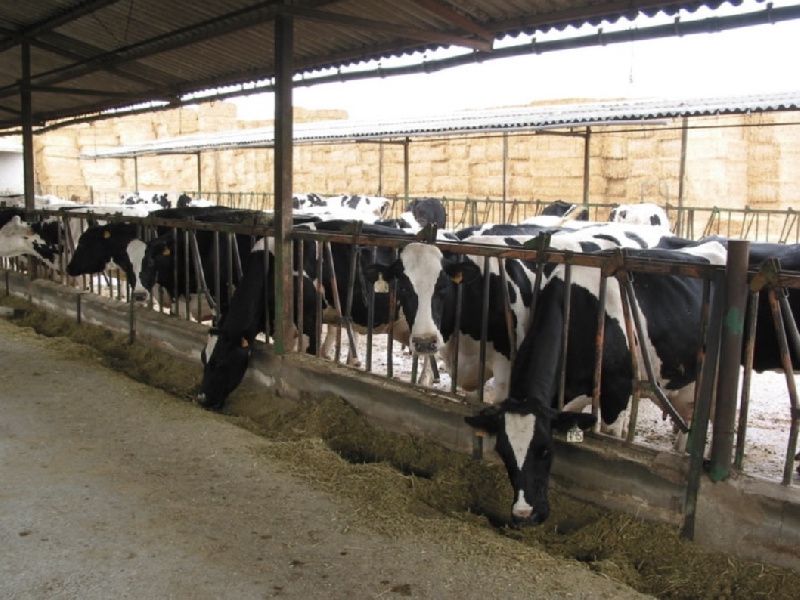
Silage is made by fermenting green fodder in sealed, airtight conditions. Maize, sorghum and Napier grass can be used for the process. Department officials said stored silage can be used when fresh fodder, grazing land and fodder crops are not available. They also said that correct preparation, storage and balanced feeding are necessary for the method to support milk production and help limit purchases of costly feed during shortages.
The programme will involve animal husbandry staff, silage makers, dairy co-operatives, milk collection societies, women’s self-help groups, farmer-producer organisations and Krishi Vigyan Kendras. Village-level demonstrations and training will cover the timing of harvest, chopping, compacting and airtight storage. District administrations have been instructed to prepare targets for fodder-seed distribution, cultivation and silage output, with officials asked to focus on implementation in villages.
Farmers in the affected regions have linked fodder availability with household finances. Akshay Mote, a farmer from Dharashiv district, said that a shortage of green fodder raises feed costs while milk yields may still decline. Uddhav Ghodke, an activist from Beed, said the subsidy would be useful if affordable, good-quality silage were available locally and payments arrived on time. A professor at the College of Veterinary and Animal Sciences in Parbhani said access to chopping and baling equipment, preservation training, timely silage supplies and feed-quality monitoring would be required for the assistance to reach small livestock owners.