Kazakh Farmers Plan to Profit from Potatoes and Oilseeds in 2026
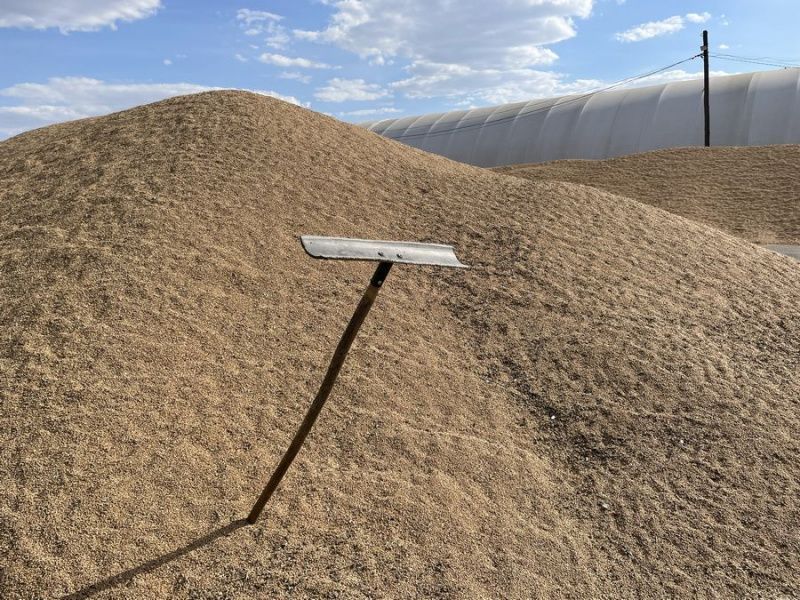
The wheat harvest in the main agricultural regions of Kazakhstan began in early August, two to three weeks earlier than usual. By early September, farms had already assessed the volume and quality of the grain. According to the Ministry of Agriculture, after threshing 70% of the areas, the average grain yield in the country was 14.2 centners per hectare.
The early harvest coincided with a season of high temperatures and lack of rainfall. In some areas, air temperatures reached almost 40 degrees Celsius and above, and in the East Kazakhstan region, about 20% of the usual rainfall occurred during the entire growing season. The most significant moisture deficit was also noted in Abay, Pavlodar, and Karaganda regions, as well as in the southern Akmola and Kostanay regions.
In the hardest-hit areas, yields were 5–7 centners per hectare compared to the usual 15–20 centners per hectare. Even farms with well-established agricultural practices harvested two to four times less grain than under normal conditions. In the north of the country, where there was more rainfall, losses were estimated at about 20% of the usual level. In the North Kazakhstan region, 'Bayandy-SK' LLP harvested 20 centners per hectare of wheat compared to 25 centners per hectare the previous year.
Simultaneously, the crop was of high quality. About half of the wheat was categorized as hi-pro with gluten content above 28%; another quarter was food-grade grain. Fourth-class wheat accounted for 18% of the harvest, while fifth-class and non-classified grain made up 7%. In 'Aydala' LLP of the Kostanay region, they received first-class wheat with 38% gluten content.
In late September, export prices on DAP Saryagash terms were around $240 per ton for fourth-class wheat, $250 for regular third-class wheat, and $260 for third-class grain with 27–28% gluten. According to Damir Kaldbayev, director of Biotix Engineering, wheat prices were 10–15% higher than last year. The Kazakh Ministry of Agriculture also imposed a six-month ban on the supply of Russian wheat.
The limited supply of low-quality grain affects feed flour producers. The volume of fifth-class and non-classified wheat is estimated at around 1 million tons, while processors' needs are approximately twice as much. When using Russian wheat for products intended for export to China, there is a restriction: China prohibits the use of such grain in the production of feed flour. Barley is being considered as an alternative, but its shipments to Iran face shipping difficulties on the Caspian Sea.
Potatoes and oilseeds are seen by farms as revenue sources in a low-yield grain season. Most potatoes are grown with irrigation, and despite the heat's impact, irrigation allowed the plants to continue growing in August and September. In the south of the country, the price of potatoes was 120,000–130,000 tenge per ton. By September 18, 1.9 million tons of potatoes had been harvested, and the harvest was expected to be completed by the end of October.
Prices for flax and rapeseed are supported by export demand, while sunflower is processed domestically. The capacity of Kazakhstan's oilseed processing enterprises exceeds 4 million tons per year. The mass harvesting of sunflower in late September was still underway; in the 'Kundyz' farm in the Pavlodar region, wheat yield was 7 centners per hectare, while sunflower yield expectations were estimated at 14–15 centners per hectare.