Ireland deploys additional veterinary staff to tackle regional bovine TB outbreaks
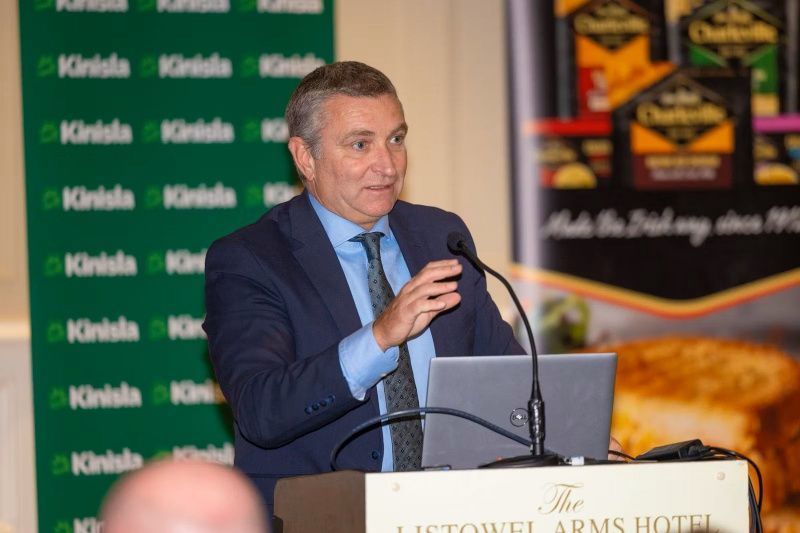
Minister of State Niall Collins confirmed that he had formally requested additional veterinary staff and operational resources for the DAFM regional offices serving the affected areas. The reinforcements aim to reduce testing delays and speed up epidemiological investigations on farms. The additional staff will also trace local transmission routes. Collins addressed the situation during his appearance at the Listowel food fair.
DAFM epidemiological statistics for the third quarter of 2026 show a nationwide reduction in the disease over a twelve-month period. The fall in incidence represents an annual decrease of approximately 10.9%. The number of herds under restrictions fell by 12% to 5,353, compared with the high levels recorded during the 2024–2025 cycle. The number of cattle that tested positive and were slaughtered declined by 9.5% to 36,374 head.
Stricter pre-movement testing requirements were introduced in April 2026, with tighter testing windows around transfers between farms. The epidemiological information presented by DAFM credits these measures with progress in breaking chains of transmission between cattle. The national trend contrasts with the persistence of the Kerry and Limerick hotspots, which remain under active surveillance.
The Bovine Tuberculosis Action Plan, launched in late 2025, comprises 30 specific science-based measures. These include strict testing protocols before and after animal movements, expanded badger vaccination and strengthened biosecurity perimeters, and mandatory notifications of herd risk classifications. The response to local outbreaks forms part of the implementation of that programme.
Animal health restrictions prevent affected farms from selling surplus replacement heifers or calves not intended as replacements through open livestock markets. The article links these restrictions to difficulties managing stocking levels, pressure on slurry storage capacity within the limits of the nitrates derogation, and losses in breeding value.
The 2027 budget allocates more than €142 million to the programme. It also raises statutory compensation limits for cattle that test positive by €500 per animal, with the stated aim of bringing public compensation into line with current replacement costs for commercial and pedigree cattle.