Iran’s Health Ministry Says Rising Prices Have Cut Dairy Consumption
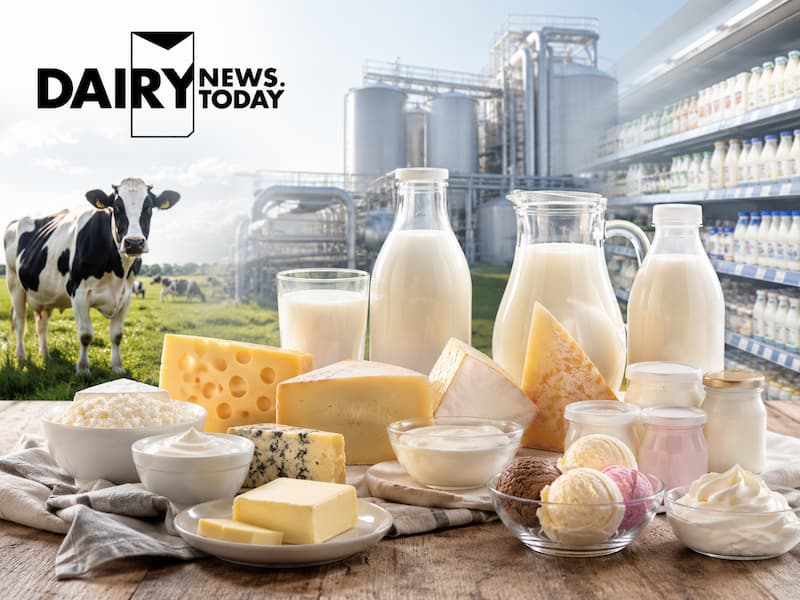
Ahmad Esmailzadeh, director general of the Community Nutrition Improvement Office at Iran’s Ministry of Health, said dairy consumption had become a long-standing nutritional concern. Speaking at a World Food Day conference, he identified price increases as a major factor behind the reduction in intake.
Esmailzadeh said the national average was now less than one dairy unit a day. The recommended level, according to his remarks, is between two and three units. Measures being pursued to raise consumption include dairy subsidies, a school milk scheme and nutrition education.
He also referred to inflation, changing economic conditions and recent conflicts. Esmailzadeh said the effects of these developments on the population’s nutritional condition still needed to be established. He noted that the most recent official data on child malnutrition cover 2016–2017, leaving almost ten years without a new national assessment.
In the absence of newer figures, he cited the earlier survey, which put wasting and stunting among children under five at about 5%. The data showed marked differences between provinces: indicators were approximately 2–3% in some areas but reached 10–16% in others. Esmailzadeh said figures from that period could not show the present condition of children or capture the effects of more recent economic pressure.
Health-system information cited by the official indicates that vitamin D deficiency affects roughly 55–60% of the population. He linked nutrition and the intake of vitamin D and calcium with osteoporosis. Iron deficiency was estimated at about 18–22%, and Esmailzadeh said anaemia remained a serious problem despite school supplementation initiatives and the fortification of flour.
He called for the figures on iron deficiency and anaemia to be reviewed and for cooperation among relevant institutions. Esmailzadeh also said non-communicable diseases accounted for more than 80% of deaths in Iran, while nutritional factors contributed directly or indirectly to 30–35% of mortality.