ICAR-NIANP Deploys Nutrition Measures Across 226 Karnataka Taluks
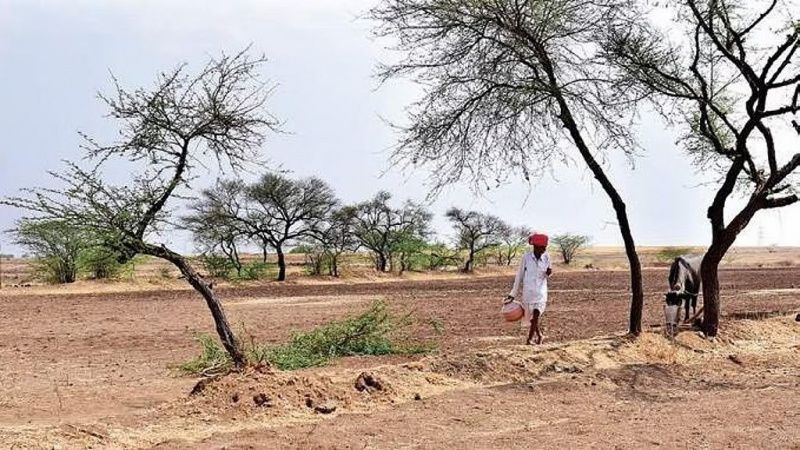
A field assessment by the Indian Council of Agricultural Research’s National Institute of Animal Nutrition and Physiology found drought-related stress across 226 of Karnataka’s 240 taluks. The survey recorded shortages of water and fodder, heat stress, malnutrition and starvation among livestock and poultry in rural farming areas.
ICAR-NIANP director Artabandhu Sahoo said the conditions had disrupted biological productivity and increased demand for scientifically formulated feed additives. In response to declining forage availability and deteriorating herd health, the institute prepared more than 30 targeted supplements. Ten of those formulations have been commercialised through industrial feed manufacturers and cooperative marketing networks.
The assessment identified particular nutritional pressures for dairy cattle. A lack of fresh green forage reduces access to vitamins, fermentable carbohydrates and carotenes, while farmers may rely on lower-quality crop residues. According to the report, heat stress can reduce dry-matter intake by as much as 30%, while sustained shortages of energy and micronutrients can affect lactation, reproduction and body condition.
The feed shortage has also affected input markets. Poultry integrators have adopted concentrated mineral premixes and supplements intended to reduce stress and protect feed-conversion performance. Dairy producers are increasingly using similar products. Feed manufacturers face higher costs for maize, de-oiled rice bran and soybean meal, while formulations based on bypass nutrients and non-protein nitrogen are being considered for diets containing large amounts of roughage.
Rain-fed fodder crops have failed in parts of Kundgol, Navalgund and Annigeri, according to the assessment. Some livestock owners in those areas have sold working bullocks and non-lactating cows at reduced prices to preserve feed for cows producing milk. The report says that feed formulations designed to support rumen fermentation on high-roughage diets are being used to address the shortage.
The drought has placed additional pressure on dairy cooperatives and producers. Milk unions linked to the Karnataka Milk Federation face higher raw-milk procurement costs alongside obligations to distribute subsidised cattle feed. Cooperatives and state agencies also incur transport costs when moving dry straw and silage from irrigated river valleys to drought-affected areas. For smallholders, the institute identifies area-specific mineral mixtures, rumen-enhancing pellets and drought-tolerant forage varieties, including multi-cut sorghum, as available nutrition measures.