Freezing Cheese: What Can and Cannot Be Frozen
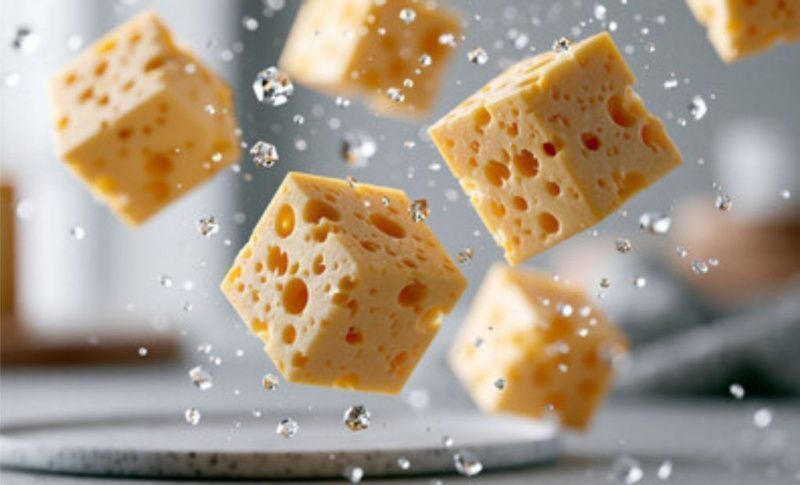
Freezing cheese is often considered a practical solution for those buying in large quantities or seeking to make the most of a promotion. However, the suitability of different types of cheese to freezing varies significantly.
The general rule is that the harder and lower in moisture a cheese is, the better it will fare in the freezer. Examples of cheeses that can be frozen without much issue include hard and firm varieties such as cheddar, gouda, and parmesan. These cheeses, particularly when grated or cut into small pieces, maintain their texture and flavor well after being frozen.
Semi-hard cheeses also tolerate freezing, but they require airtight packaging to prevent drying out. This is particularly true for creamy cheeses that have been divided into smaller portions before being stored in the freezer.
In contrast, fresh cheeses such as ricotta and cottage cheese can be frozen, although they may become more watery upon thawing. Despite this change in texture, their flavor typically remains unaffected.
On the other hand, soft cheeses should not be frozen as they do not manage low temperatures well. Varieties like brie and goat cheese can lose their flavor and become crystallized due to moisture issues. Similarly, blue cheeses and spreadable cheeses may lose their defining creaminess if frozen.
For those choosing to freeze suitable cheese varieties, it is recommended to wrap them in paper before storing to ensure even freezing. Regardless of the preservation method, any cheese with an unpleasant odor, visible mold, discoloration, or an off taste should not be consumed.