European Butter Prices Rise as Milk Supplies Tighten
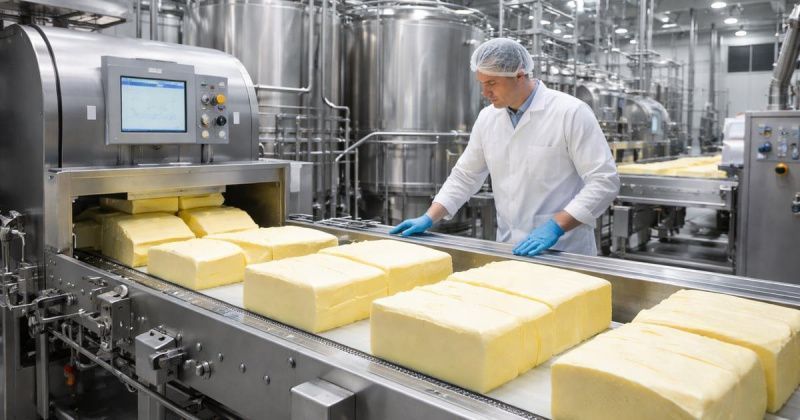
Fresh butter with 82% fat from Grudziądz, Poland, was quoted at €3.60 per kilogram on a free-carrier basis on 13 October 2026, up from €3.52 in late September. The average European Union reference price reached about €4,145 per tonne, an increase of roughly 0.5% from the previous week. It was still nearly 30% below its level a year earlier.
Butter futures on the European Energy Exchange for delivery late in 2026 traded in a range of approximately €4,000-€4,200 per tonne. The pricing indicated expectations of moderate movement rather than a large increase. Differences between quotations for individual origins and EU-wide benchmarks reflected variations in product specifications, delivery terms and market location.
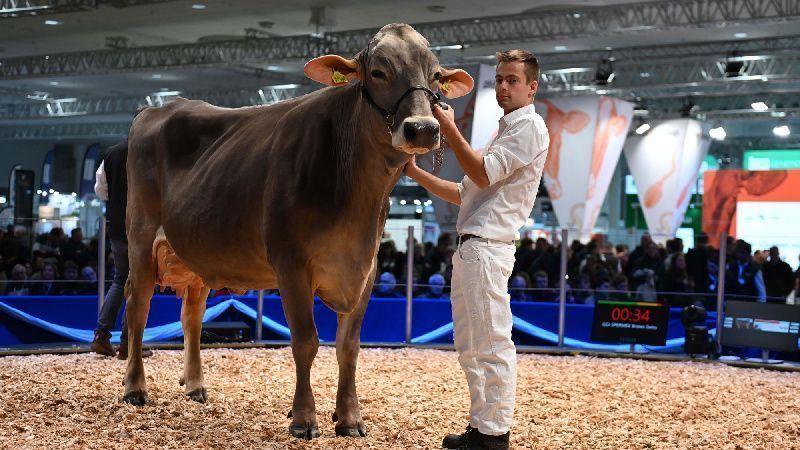
Milk availability is declining
Seasonal production patterns have begun to reduce milk intake at European dairies. German intake in week 40 was 0.2% below the preceding week, while its year-on-year increase narrowed to 0.6%. French collections were 2.4% lower than in the corresponding period of 2025, reducing the supply of cream used in butter production.
Rabobank expects raw-milk production in the European Union to fall by about 2% in the fourth quarter of 2026 from the same period a year earlier. The outlook reflected the effects of difficult summer weather, lower forage availability and higher costs on dairy farms. Reduced milk intake can limit cream supplies, although processors also decide how to distribute milk among butter, cheese, milk powders and other products.
Farm costs remain elevated
Drought and summer heat damaged pastures and reduced forage yields in some regions, increasing farmers’ reliance on purchased feed for the winter. Energy and fertiliser expenses added to production costs. Average EU farmgate milk prices rose to 43.11 eurocents per kilogram in September 2026, according to the report, but remained about 19% below the September 2025 level.
The combination of lower annual milk prices and higher input expenses placed pressure on farm margins. The report said that some producers could alter feed rations, focus resources on their most productive animals or reduce herd sizes. Such measures may affect milk yields and supply, while continued pressure on farm profitability may also influence processors’ procurement costs.
Demand has not matched the supply-side support. Higher household spending on food and housing has encouraged consumers to restrain purchases, affecting some premium dairy products. Butter has performed less strongly than certain dairy-protein products, including skimmed milk powder, leaving milk fat relatively inexpensive within the wider dairy-commodity market. Available stocks and competition among suppliers remained factors limiting price gains, while retailers, food manufacturers and consumers continued to resist higher prices.
The market outlook was described as moderately firm if milk supplies continue to tighten without a substantial deterioration in demand. Buyers were expected to remain cautious about larger commitments into 2027, while sellers faced competition alongside higher costs. Winter weather, feed availability, milk yields and retailer pricing strategies were identified as factors that could influence prices.