Danone seeks to be trusted by machines and desired by humans
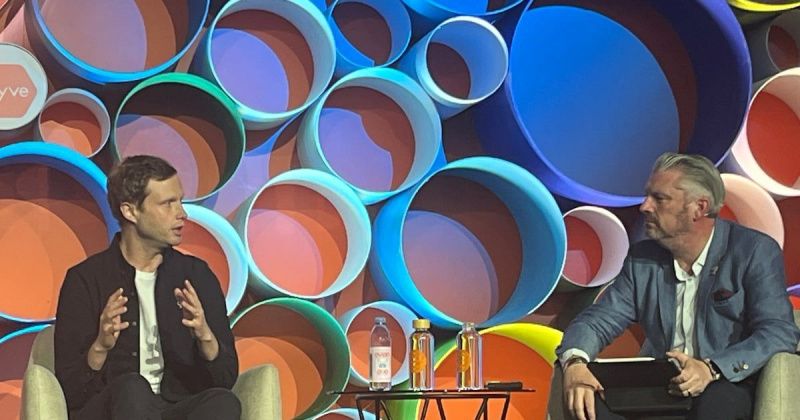
Danone’s North American vice-president for media and digital, Arthur Sylvestre, said the food and beverage group was working to make its brands relevant across increasingly competitive digital channels. The company’s portfolio includes Oikos, Activia, Silk and International Delight.
Speaking at Groceryshop in September during a discussion with Gregor Murray, co-founder of digital-marketing consultancy Digital Commerce Global, Sylvestre identified digital retail media, digital-shelf technology and artificial intelligence as Danone’s main technical capabilities in online sales. He said the company’s most important recent achievement had been establishing a common internal direction.
Danone’s stated ambition for what Sylvestre called the new era of agentic commerce is to be “trusted by machines and desired by humans”. He said reaching agreement across the organisation had taken time, but that a shared direction had made it easier for teams to work faster and improve their performance in the market.
Sylvestre said Danone had been dismantling organisational divisions that had developed before digital commerce became central to the business. The teams responsible for the company’s online portal had operated separately from those managing digital deliveries. He said this could produce different information for consumers using conventional search engines and those relying on artificial-intelligence tools.
In his account, inconsistent information could reduce the authority assigned to Danone by services such as Google and ChatGPT. He said the company therefore needed to rebuild its processes and digital ecosystems continually so that consumers encountered a consistent representation of its products and brands.
Sylvestre described communication as essential to removing these divisions, while noting that executives did not always use the same business and digital terminology. He said digital specialists needed to explain commercial issues in language that other parts of the company could understand, and that leaders had to reinforce this practice within the organisation.
He also urged marketers to concentrate on customer requirements rather than pursue each newly promoted technology. Comparing some marketing teams with children following a football from one side of the pitch to the other, Sylvestre said that repeatedly chasing new technological attractions without a strategy would lead to failure. In his view, understanding consumers and developing responses to their needs remained the basis for adapting to rapid change in the food and beverage industry.