Cuautla Livestock Producers Will Receive Hydroponic Forage Training
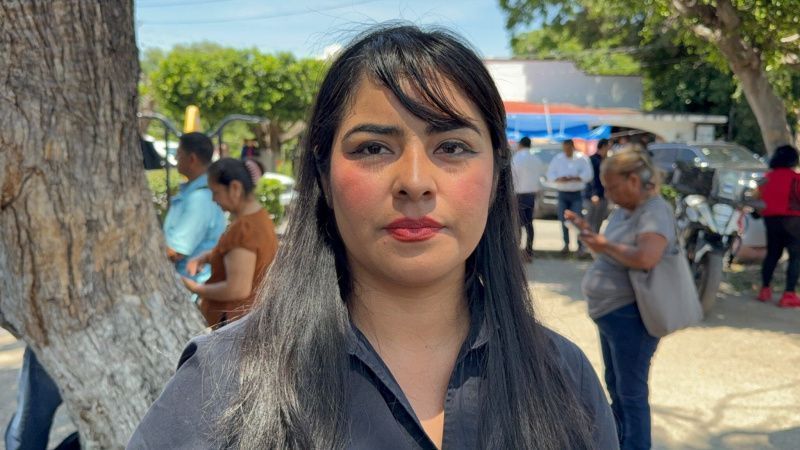
On September 14th, livestock organisations and agricultural-development agencies in the eastern part of Morelos announced a series of workshops and practical courses for cattle producers in Cuautla and surrounding municipalities. The programme will focus on the production and management of hydroponic green fodder, known by its Spanish acronym FVH.
The training is being organised amid recurring dry seasons, limited water availability in irrigation channels and higher prices for commercial feed. Its stated purpose is to give small and medium-sized producers access to low-cost biotechnological tools while reducing the cost of diets for dairy and beef cattle.
How the system works
FVH is produced by germinating cereal grains, mainly maize, barley or wheat, in plastic trays under partially controlled conditions. The method does not require agricultural soil. Short watering cycles using misting or sprinklers produce fresh forage in about 10 to 14 days.
The resulting biomass includes the leaves, stems and entire root mat. According to the organisers, it contains between 16% and 20% crude protein, as well as vitamins A and E and digestive enzymes. The training will address the use of the fresh material in ruminant diets, including those of dairy and dual-purpose herds.
Farm management and costs
Hydroponic modules can be installed in limited spaces, including on holdings without enough land or water rights for conventional grazing. Feed purchases can account for as much as 70% of a livestock farm’s total operating expenses. Producing fresh forage locally is presented by the organisers as a way for small producers to reduce reliance on commercially supplied bales and outside inputs.
The courses will cover more than crop production. Topics will include sanitising seed to limit fungal growth, managing moisture and temperature inside the modules, and combining the hydroponic material with locally available dry forage when formulating rations.
The programme is intended for livestock producers in Cuautla and neighbouring municipalities. Organisers described the transfer of the technology as part of efforts to support a more sustainable and technically equipped livestock sector in Morelos during periods of water scarcity.