Canada Imposes New Tariffs on California Dairy Exports
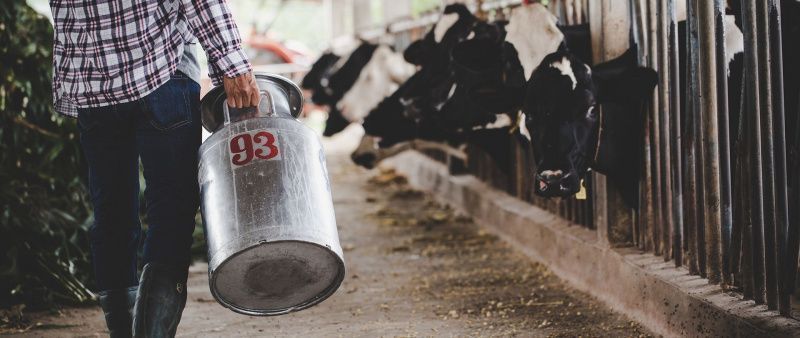
Canada’s new duties on US dairy imports have added uncertainty for California, the leading milk-producing state in the United States. Canadian buyers account for approximately 15% of California’s dairy exports, making the market an important destination for the state’s processors and exporters.
The measures apply to several major product categories, including widely consumed cheeses, whey, milk proteins and powdered milk. Industry representatives and livestock organisations have identified California exporters and processors as among the businesses most exposed to the change in cross-border trading conditions.
The tariffs have taken effect as California farms contend with rising prices for animal feed and balanced concentrates. At the same time, an oversupply of fluid milk in the US domestic market has reduced the prices paid to producers. The combination has narrowed farm margins, leaving family-run dairies with less operating capacity to absorb disruptions affecting overseas sales.
Producer representatives have described the trade measures as an additional setback for an industry already under pressure. They have also criticised the use of basic food products in tariff disputes and said that reduced access to Canadian customers could affect supply agreements built over decades.
The new duties could lower export volumes or redirect surplus dairy solids to the US market. Such a shift would place additional quantities into domestic storage and could add pressure to wholesale prices. It could also affect payments to farms calculated under the Federal Milk Marketing Order system, known as FMMO.
Dairy companies and livestock exporters are urging the authorities in the United States and Canada to pursue bilateral talks and restore predictable trade under the United States-Mexico-Canada Agreement, or USMCA, known in Canada as CUSMA. California’s dairy industry has said that maintaining regional trade flows is important for the intake and processing operations of its plants, as well as for employment in rural communities dependent on livestock farming.