Brian Reidy: winter heifer diets should contain approximately 16% crude protein
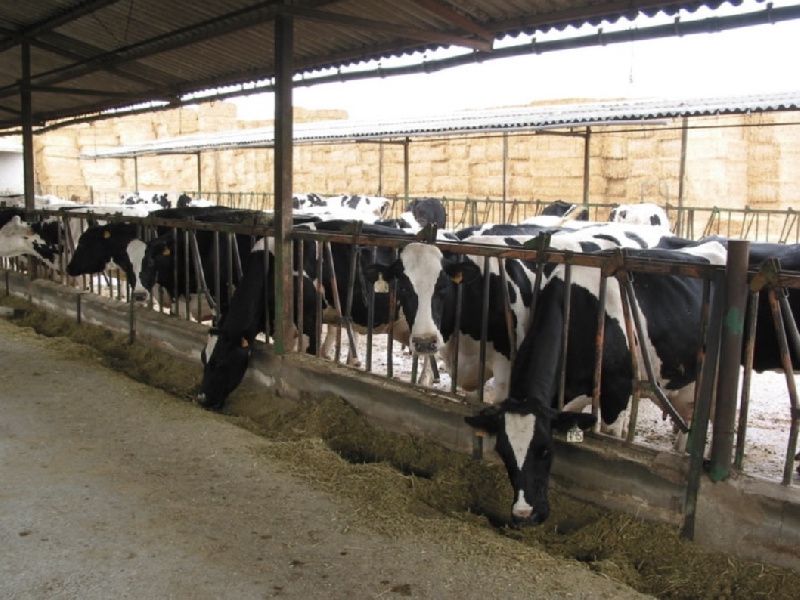
November brings changes to both feeding and grazing as dairy herds enter winter accommodation. Reidy advises farmers to assess forage quality, balance supplementary feeds and manage the remaining grazing carefully. Settled conditions may extend the time cattle can spend outdoors in some areas, but grazing too heavily can leave inadequate pasture cover at closing and postpone turnout in spring. His recommendations, drawn from his column in the Farming Examiner, also call for individual assessments of cattle rather than a uniform ration across the herd.
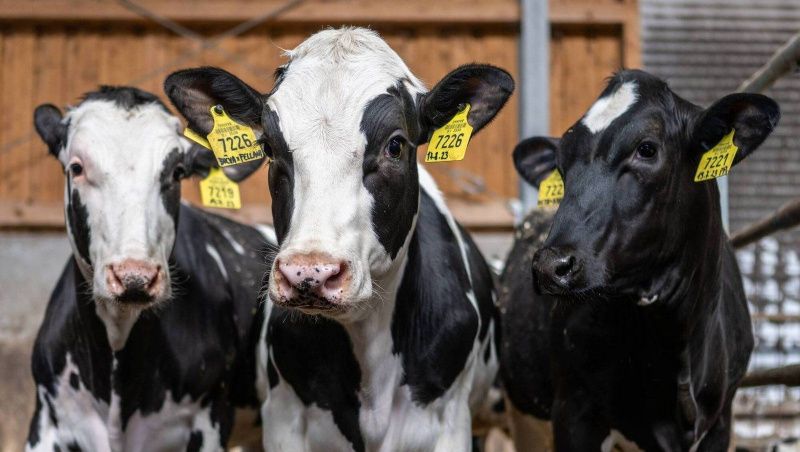
For replacement heifers, Reidy recommends a winter ration with approximately 16% crude protein, measured on a dry-matter basis. Many of this year's grass silages have protein contents of 10%–13%, making additional protein from concentrates potentially necessary. At a daily concentrate allowance of approximately 1.5–2 kg per animal, a feed containing 19%–20% protein can complement silage with a lower protein content. Heifers also need enough digestible fibre to support the growth of their skeleton and frame. An unsuitable balance of energy and protein can encourage fat accumulation instead of structural development.
The recommended daily liveweight increase is more than 0.8 kg, with attention to frame growth as well as the number on the scales. Reidy advises identifying smaller, less-developed replacements early after housing and considering separate groups with feeding tailored to their needs. This gives farmers an opportunity to address growth requirements ahead of breeding. Adequate development before a heifer's first lactation helps her meet the competing demands of milk output, body-condition maintenance and reproduction.
For cows approaching their dry period, Reidy recommends a body condition score of approximately 2.75–3.0 at drying off, reducing the need for large changes in condition afterwards. The ration during the dry period should supply sufficient protein and energy to maintain condition while supporting mammary tissue and the growing calf. Mineral supplementation also needs attention: imbalances can contribute to metabolic problems around calving. Analysing the mineral content of grass silage can identify shortages as well as antagonists that hinder nutrient absorption, helping farmers determine the supplementation required.
Reidy also advises attention to feeding in the weeks immediately preceding calving. Concentrates at this stage can help the rumen's microbial population adapt to the more energy-rich ration used during milk production. Protein provision is another consideration because silage with a low protein content may reduce colostrum quantity and quality, potentially impairing antibody transfer to the newborn calf. Appropriate additional protein before calving can support the health of both animals. These preparations form part of managing the nutritional transition between the dry period and the next lactation.
During the closing weeks of lactation, thin cows may need extra feed to recover condition before they are dried off. Reidy's advice is to address this while they are still milking; additional supplementation can also sustain milk output and quality, potentially improving returns over that period. Cows that calved later and continue producing through winter may need a higher nutritional intake. Their rations should reflect anticipated milk production, existing body condition and the quality of available forage. Silage analysis is important when calculating these diets, particularly where a poor second cut means extra feed may be needed to sustain performance and limit condition loss.
Management inside the housing also requires checks on mobility and drinking-water provision. Reidy advises farmers to watch for lameness as animals return indoors, since winter mobility problems can affect later milk production and reproductive performance. Cattle should have adequate access to clean water, especially when eating dry silage.