Bengaluru Dairy Authorities Issue Notices Over Yelahanka Cattle Feed
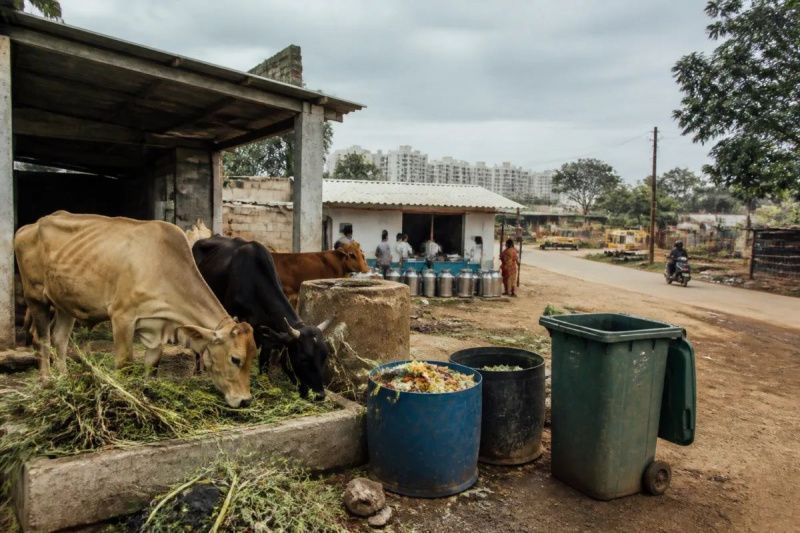
Milk-safety concerns have increased in the peri-urban dairy areas north of Bengaluru, in Karnataka, after residents and local cooperative representatives alleged that commercial cattle owners were using discarded food from hotels and restaurants as feed for milking cows. The Bengaluru Cooperative Milk Union issued a formal notice to an affiliated village milk producers’ society suspected of accepting supplies that did not meet requirements.
The union has served preliminary administrative notices, but comprehensive laboratory examinations of regional milk and cattle-feed samples had not been completed. Officials therefore had not established whether the alleged practice had resulted in measurable biochemical contamination or violations of food-safety rules.
Representatives of grassroots dairy organisations, including the Koluvarayanahalli Milk Producers’ Cooperative Society, said the collection of catering waste from urban kitchens had allegedly continued for about a year. They called for intervention by municipal food-safety officials and police authorities to examine the movement of non-standard feed and the milk entering metropolitan processing channels.
The reported waste can include cooked food, used cooking oil, spices, decomposed organic material and packaging fragments such as plastic, toothpicks and foil, according to the source. The source also identified possible animal-health concerns associated with such material, including digestive disturbances and exposure to pathogens or toxins. These issues remain separate from the pending laboratory determination of whether the milk supply contained detectable contaminants.
The report attributed the use of kitchen waste to pressure on dairy farmers’ operating costs. Regional shortages of forage and higher prices for concentrate pellets, maize and de-oiled rice bran have increased the cost of conventional feed. Some livestock owners have consequently used bulk waste from metropolitan food businesses as a cheaper source of feed, according to the report.
The cooperative collection system presents an additional oversight challenge. Milk rejected by one village society can be taken to another centre, while some centres may have limited checks on incoming supplies. The report said this weakens traceability between cattle sheds, collection points and processing plants. It also noted that organised dairy brands, including Karnataka’s Nandini label, could face recalls, inventory losses or regulatory action if laboratory tests were to identify chemical or bacterial contamination connected to the alleged feeding practice.