Disease Incidence in Livestock in Kazakhstan Decreased by 51% Amid Digitalization and Import Substitution of Vaccines
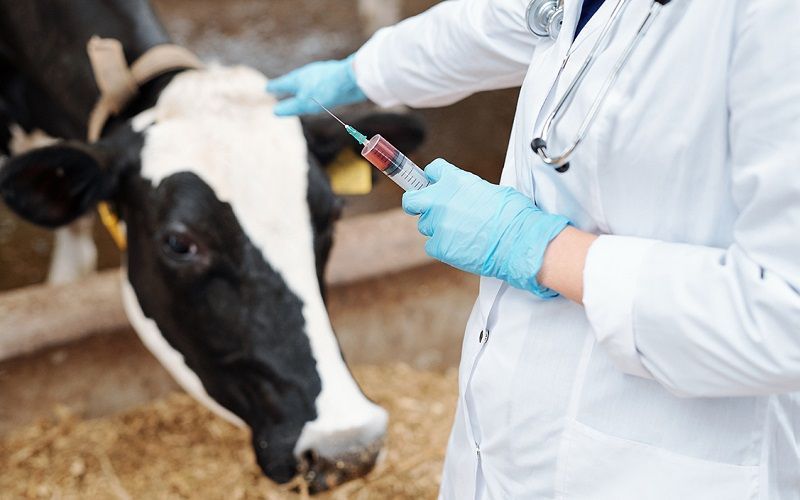
It involves the modernization of veterinary infrastructure, digitalization of animal and product accounting, expansion of domestic vaccine production, and strengthening of the veterinary service's logistical base.
According to operational data from the Ministry of Agriculture, the country has:
-
9.1 million head of cattle,
-
23.7 million head of small ruminants,
-
4.7 million horses,
-
302 thousand camels,
-
569 thousand pigs.
Strengthening prevention and control has increased meat production to 914 thousand tons, while beef and lamb exports have risen to 60.8 thousand tons.
In Kazakhstan, vaccination is carried out against 23 particularly dangerous diseases out of more than 90 identified by the World Organization for Animal Health. To improve approaches, a working group has been created with the participation of experts from the WOAH, FAO, and WHO.
Since 2024, an active import substitution policy has been implemented in the sector. The share of domestic vaccines has increased from 34% to 78%. Of the 22 types of vaccines purchased, 18 are produced in Kazakhstan.
In the past two years, 401 veterinary facilities have been built in the country, and 892 specialized vehicles have been purchased. For 2026–2027, 66.2 billion tenge is allocated for the construction of vet stations, vet points, and animal burial grounds.
To strengthen the laboratory base, 9 liquid chromatographs have been purchased, with plans to acquire an additional 54 units of equipment, allowing compliance with 94% of EAEU food safety requirements. In the East Kazakhstan region, a laboratory built to Chinese standards, equipped with 38 types of equipment, has been commissioned.
It is noted that the ISZH information system, providing complete traceability of animals and products, has been modernized. The system implements functions to exclude fictitious registration of offspring, prohibit the slaughter of vaccinated animals before the expiration of the drug, a livestock market module, and digital quarantine control during export. Mobile applications ISZH-Mobile and TortTulik have been developed. The system is integrated with the State Revenue Committee, Halyk Bank, EAEU services, and other digital platforms.
Kazakhstan has confirmed its status of well-being for a number of transboundary diseases, including foot-and-mouth disease (southeast zone), African horse sickness, classical and African swine fever, and avian influenza. A dossier has been submitted for recognition of foot-and-mouth disease well-being in the north-western zone, the Ministry of Agriculture reminded.
In 2025, 16 veterinary certificates were agreed upon, opening access to the markets of 42 countries, including the EU, UK, China, Iran, Iraq, USA, and Canada. 3,728 Kazakhstani enterprises have been included in the registers of other countries.
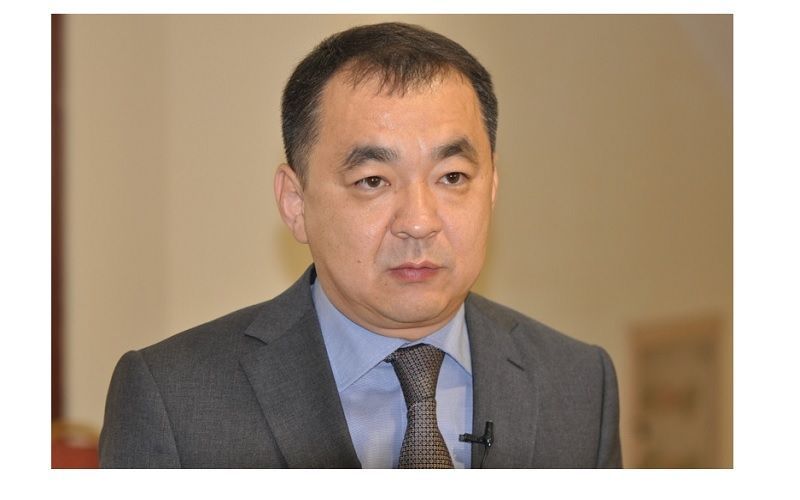
"All measures are aimed at protecting epizootic well-being, improving product quality, and strengthening Kazakhstan's positions in international markets," noted Amangali Berdalin.