Women provide nearly 70% of India’s dairy labour but lag in cooperative ownership
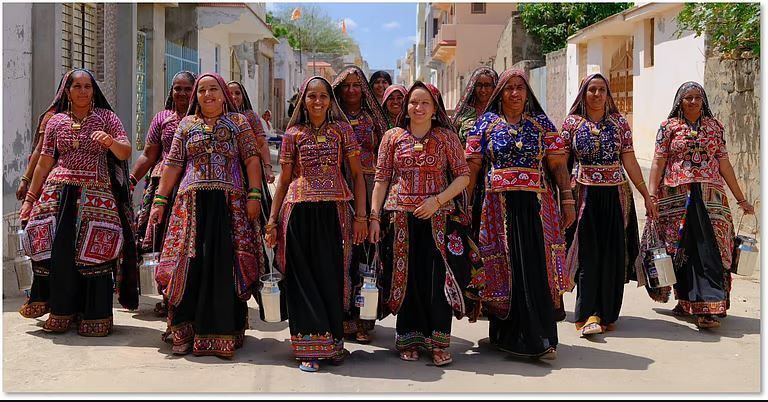
Researchers Tanya Mittal and Dr Cchavi Vasisht, writing in Nagaland Post, examined the differences between women’s contribution to milk production and their participation in cooperative governance. Government and agricultural statistics cited in the article show that women undertake most dairy husbandry work. Their responsibilities include feeding animals, cutting fodder, cleaning cattle sheds, milking, raising calves, arranging veterinary care and transporting milk in bulk containers to village collection points.
The cooperative system’s origins lie in Kaira, also known as Kheda, where Sardar Vallabhbhai Patel supported dairy farmers during their 1946 strike. He encouraged producers to establish village societies under their own management and sell milk without going through the middlemen’s monopolistic trading arrangements. These organisations provided the foundation for the Anand model, also known as the Amul model. Dairy cooperatives subsequently formed the institutional base of India’s rise to become the world’s largest milk producer.
Milk societies introduced a payment system distinct from the seasonal income associated with crop cultivation. Producers receive money weekly or fortnightly, with payments determined through transparent testing of milk fat and solids-not-fat content. The analysis contrasts this recurring income with crop revenues, which arrive intermittently and are controlled by male landholders. Women’s work in animal care and milk delivery supports the daily production on which those cooperative payments depend.
Historically, society rules tied shareholding eligibility to documented ownership of farmland or livestock. Across many states, rural women seldom possessed land deeds or registered ownership of dairy animals, so men in their households were generally enrolled as cooperative members. Registration gave those men the payment receipts and the right to vote in society elections, as well as access to board positions. The researchers describe this ownership arrangement as a continuing gap between the people carrying out dairy work and those exercising formal control over cooperative decisions.
During the past decade, the National Dairy Development Board, the National Rural Livelihoods Mission (DAY-NRLM) and state dairy federations have supported the expansion of women-only dairy societies and Women Milk Producer Companies. India now has more than 48,000 primary dairy cooperative societies led by women. These organisations have increased female producers’ bargaining power and enabled milk payments to flow directly into their bank accounts, according to the analysis.
The development of these networks varies substantially between regions. Tribal areas and northeastern states remain at an early stage in establishing cooperative structures with equitable participation. The researchers identify legal recognition of women as primary shareholders as a policy priority, linking it to their existing responsibilities for herd feeding and milk production. They argue that expanding women’s ownership and voting rights is important for farm productivity, uptake of technology and household welfare.