US Tariffs Push New Zealand Dairy Exporters to Diversify Markets
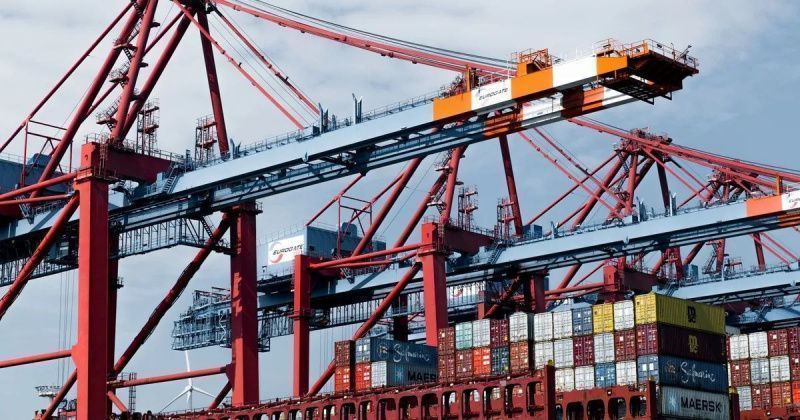
The United States has become New Zealand’s second-largest overall export destination, with bilateral trade worth $9.0bn and accounting for 12% of the country’s total exports. The tariff on New Zealand goods has risen from 10% to 15%, widening the average tariff gap against preferential-trade partners such as Australia, Canada and Chile from 1.1 percentage points to more than 5 percentage points.
New Zealand’s exports of goods and services reached $32.5bn in the June 2026 quarter. Over the same period, the goods terms of trade fell by 9%, as import inflation exceeded the prices obtained for exported products. The figures have increased pressure on exporters to review their exposure by market and product.
Dairy processors are seeking to move milk solids between destinations and to adjust product portfolios when trading conditions change. The report describes market optionality as the ability to sell across more than 100 destinations. For large processors, China accounts for about 30% of order books and provides an established alternative market for protein fractions, milk-powder shipments and anhydrous milkfat.
Some mid-sized agricultural businesses and specialist food brands have between 20% and 85% of their revenue linked to the United States. The report says several operators have been absorbing tariff costs internally, reducing net profit margins towards zero. It also says that processor decisions on alternative sales channels affect the stability of cooperative dividends and base milk-price payments to farmers.
Manufacturing flexibility is central to this approach. Plants may need to switch drying towers between standard whole-milk powder, ultra-filtered milk-protein concentrate and low-spore infant-nutrition products. Flexible membrane filtration, automated bagging equipment and temperature-controlled storage can allow processors to redirect dairy solids to verified buyers in Japan, south-east Asia or the European Union. Such sales also require compliance with different sanitary and phytosanitary rules, Halal certification requirements and packaging regulations.
The report says projections cited from central monetary authorities describe tariff shocks as initially disinflationary when inventories are sold down, followed by higher structural costs by 2030 as supply chains become more fragmented. Shipping expenses, corporate borrowing costs and currency movements are identified as additional financial considerations. New Zealand agricultural companies are reviewing revenue by geography and using agreements including the CPTPP, the UK-New Zealand free-trade agreement and the European Union trade pact, under which New Zealand retains tariff advantages over some competing producers.
Dairy farmers are also managing substantial capital spending, higher regulatory costs and variable fertiliser and fuel bills. The report links seasonal milk payouts to processors’ ability to shift tariff-affected products into alternative, higher-value ingredient markets. It says the industry is incorporating wider market access into its commercial supply chains as international trade arrangements become more fragmented.









