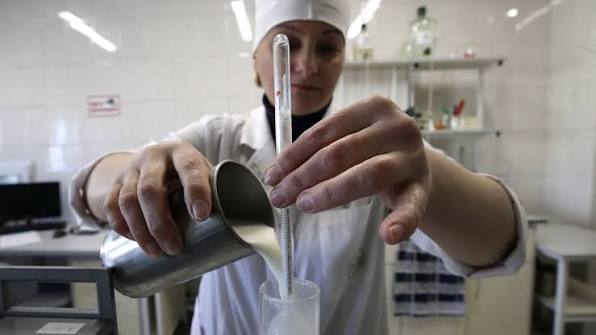
Uruguay’s Dairy Market Sees Cheese Grow, Liquid Milk Fall and Whey Gain Value
Mercedes Baraibar, an economist at Uruguay’s National Dairy Institute (Inale), presented the findings at the 11th International Dairy Industry Congress organised by Autel in Nueva Helvecia. Natalia Di Candia, from the same institute’s Information and Economic Studies Area, also contributed to the presentation.
The presentation described changes in consumer preferences rather than the disappearance of established dairy categories. Interest is increasing in products with more protein, less sugar and lower levels of certain additives. Taste and texture remain important in purchasing decisions, so nutritional attributes are being considered alongside sensory characteristics.
Consumption patterns
Inale’s outlook indicates that worldwide dairy consumption could increase through 2034, with the pattern differing by region and product. Fresh dairy products are identified as an important source of demand in developing countries. In developed markets, cheese is the traditional dairy category with the clearest growth trend in the projections discussed.
Uruguay shows a different trajectory across individual categories. Data compiled by Inale from information supplied by DIEA-MGAP show that liquid-milk consumption has fallen since 2020. Cheese consumption has recorded sustained growth, while butter has followed a relatively stable course. The figures indicate that movements in one dairy category do not correspond directly to movements across the entire market.
Whey and protein ingredients
The presentation also focused on the economic value of whey produced during cheese-making. Whey proteins can be used in food products, sports nutrition, infant formulas and clinical nutrition. This gives dairy companies an additional use for a material generated during cheese production and connects the sector with markets for supplements and high-protein foods.
China was mentioned as a potential market for ingredients derived from whey. The presentation did not provide volume forecasts or specify transactions, and it described the opportunity as market potential rather than confirmed demand. Inale also highlighted the need for more detailed knowledge of Uruguay’s domestic market, including the quantities, formats and occasions in which dairy products are consumed.