UFLA: dulce de leche with up to 5% coffee-ground extract achieves strong acceptance
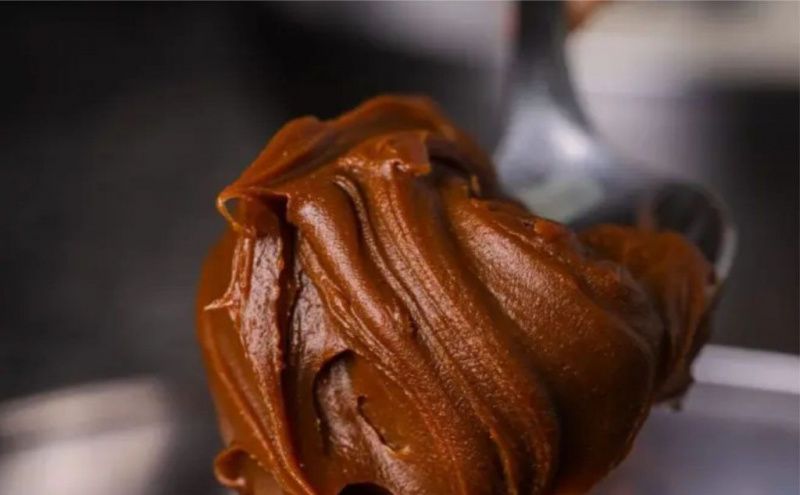
The research found that formulations at intermediate extract concentrations of up to 5% retained the characteristic consistency of dulce de leche and received strong sensory acceptance. Principal component analysis (PCA) identified a strong correlation between preservation of the product’s structure and approval by tasters.
The work was conducted in UFLA’s Department of Food Science in southern Minas Gerais by master’s student Camila Giovana Carvalho Souza. Professor Carlos José Pimenta supervised the research, with professor Rejiane Avelar Bastos and postdoctoral researcher Ana Cristina Freitas de Oliveira Meira serving as co-supervisors.
To prepare the ingredients, the researchers collected used coffee grounds from cafés. They dried the material, rehydrated it and then used cold mechanical pressing to obtain extracts. The resulting extracts were analysed for phenolic compounds and antioxidant activity before being added to the dairy confection.
Testing of the finished formulations covered texture, composition and physicochemical quality. The sensory assessment examined flavour, colour and texture, as well as participants’ willingness to buy the product.
The project examined a further use for a residue generated by coffee consumption. According to Souza, approximately 10 million tonnes of spent coffee grounds are produced worldwide each year.
The research presented the incorporation of this by-product into circular-economy models as a way to prevent improper disposal, reduce environmental impacts and develop higher-value innovations for the food industry.









