The Feed Acidulants Market Is Projected to Reach $5.8bn by 2033
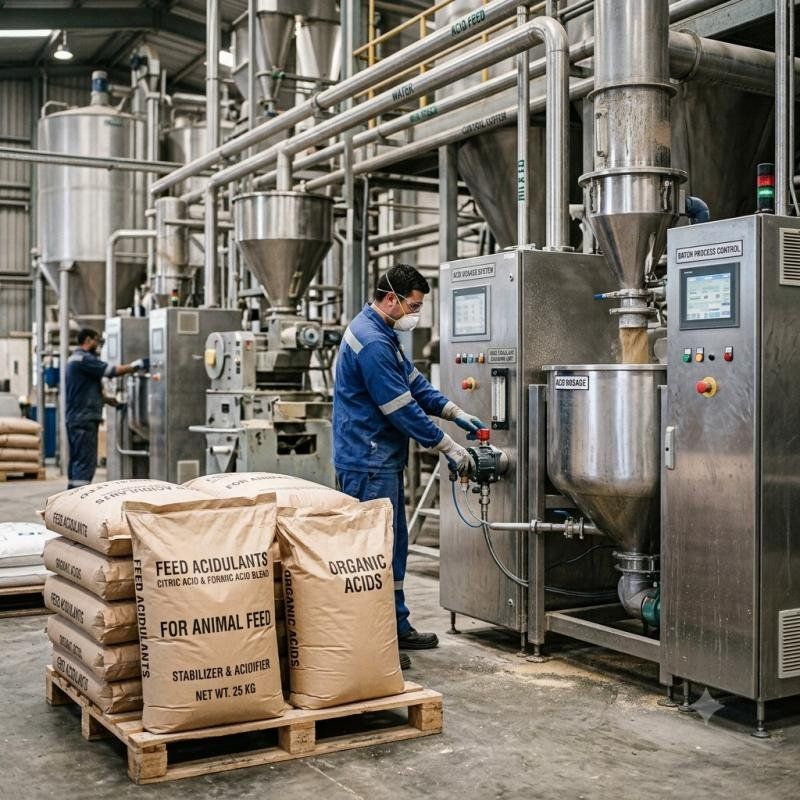
Feed acidulants are used in animal nutrition to preserve feed, regulate acidity and manage product quality. DataM Intelligence valued the global market at $3.79bn in 2025 and projects a compound annual growth rate of 5.7% from 2026 to 2033, taking the market to $5.80bn by the end of that period. Rising feed production and demand for meat and other animal proteins are among the factors associated with demand for specialised feed-additive products.
Purchasers are assessing these products against more than their quoted price. Dosage requirements, formulation performance, preservation results, regulatory obligations and the reliability of suppliers are part of the buying process. Precision nutrition and sustainability are also being considered in product selection, alongside feed-conversion results, formulation stability and measurable effects on animal performance.
Product segments and applications
The market includes propionic, formic, citric, lactic, sorbic, malic and acetic acids. Propionic acid is a significant commercial segment because it is used in feed preservation and has been affected by regulatory changes in Japan. The suitability of an acidulant varies with the feed formula, animal category and processing method, prompting suppliers to develop products for more specific uses.
Feed acidulants are sold for poultry, ruminants, swine, aquaculture, pets, equine and other animal categories. Requirements for nutrition and feed management differ among these groups. Products are also divided into organic and inorganic types, with organic-acid formulations used in applications involving feed preservation, pH management and animal nutrition.
Manufacturers offer both liquid and dry formulations. The choice depends on processing equipment, dosing arrangements, storage conditions and the intended application. Liquid products may suit some dosing and processing systems, while dry products can offer handling, storage and blending advantages. Feed manufacturers are evaluating these characteristics together with total formulation costs and ease of use.
Distribution and regulation
Established distributors remain important where customers need technical advice, product qualification and continuing supplier relationships. E-commerce is adding another sales route, particularly for smaller producers, specialist purchasers and procurement teams that use digital systems. Suppliers using online channels must address regulatory records, packaging, transport, technical assistance, customer education and repeat purchases. Products requiring substantial technical support may still be sold through specialist distributors or directly supported by suppliers.
Japan made several changes affecting feed additives in 2026. In August, the Ministry of Agriculture, Forestry and Fisheries removed propionic acid, calcium propionate and sodium propionate from the category of antimicrobial substance preparations. Existing ingredient standards and management rules continue to apply. The change also removed the requirement for a feed-manufacturing manager at facilities using propionic-acid products, except on farms that mix feed themselves. Earlier in the year, Japan continued to strengthen rules for domestic and imported feed, including provisions on hazardous substances, manufacture, imports, sales and use. In February, the use of cattle feed additives intended to reduce methane emissions was added to Japan’s J-Credit methodology.
Companies and purchasing criteria
Companies active in the market include BASF SE, Kemin Industries, dsm-firmenich, Impextraco, Perstorp Group, Nutrex, ADDCON, Corbion, Novus International and Peterlabs Holdings. Their activities span animal nutrition, feed ingredients, specialty chemicals and nutritional products. BASF supplies organic-acid-based feed ingredients and operates global manufacturing capabilities. Kemin focuses on specialty ingredients as well as animal-health and nutrition products, while dsm-firmenich combines nutrition, health and bioscience activities across several applications.
Higher prices for feed acidulants are directing attention to the total economic contribution of a product. Buyers may consider dosage, preservation, feed conversion, stability during formulation and animal-performance measures when comparing products. The market’s stated development areas include precision nutrition, application-specific formulations, online procurement and uses connected with sustainability. The projected expansion from $3.79bn in 2025 to $5.80bn in 2033 is accompanied by demand for technical evidence, regulatory compliance and measurable economic benefits.