Thai Dairy Farmers Protest Against Milk Powder Imports Amid Market Glut
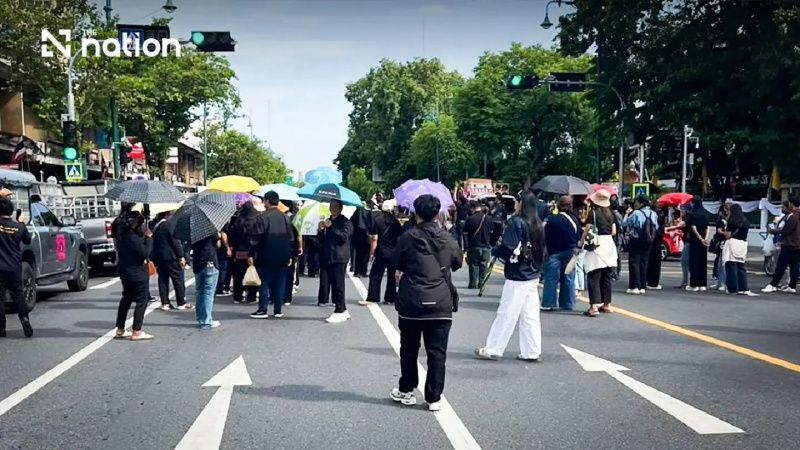
On July 15, 2026, Thai dairy farmers organized a protest at Government House in Bangkok, demanding urgent governmental intervention to address the growing crisis in the agricultural sector. The farmers, led by national representatives, submitted a formal petition to Deputy Prime Minister Anutin Charnvirakul and officials from the Ministry of Agriculture and Cooperatives.
The core issue lies in the oversupply of raw milk, with domestic cooperatives facing financial difficulties due to over 180 tonnes of unsold milk daily. The crisis is exacerbated by the import of cheap foreign skimmed milk powder, which is priced at nearly half the cost of locally produced milk. As a result, many commercial processors prefer international suppliers over local producers.
The farmers are calling for the government to halt or delay further approvals of skimmed milk powder imports and to expedite the completion of the 2026/2027 Memorandum of Understanding (MOU) for raw milk purchase by August. This MOU aims to establish a fair nationwide purchase price to support local farmers.
Additionally, the protesters are advocating for the expansion of the national school milk program to operate year-round. Currently, the program functions for only 260 days annually, leaving cooperatives without commercial outlets during school vacations. An expanded program would help stabilize farmers' revenues and improve nutrition standards in schools.
The petition also urges the Ministry of Commerce and the FDA to implement mandatory labeling reforms on dairy products. These reforms would require clear labeling to distinguish between products made with 100% fresh local milk and those using imported milk powder, enabling consumers to make informed choices that support local agriculture.
This protest is the latest in a series of regional demonstrations, including threats to block national transport routes over unpaid milk dues. The declining birth rate in Thailand has further reduced the traditional school milk safety net, posing a significant challenge for policymakers who must choose between protectionist measures and modernizing the supply chain.