Survey: 15 of 16 South Korean low-cost coffee brands use only domestic milk
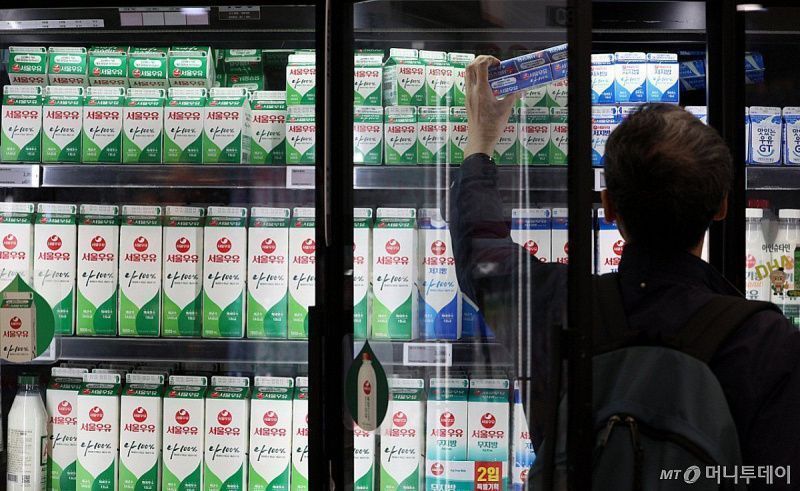
Paik’s Coffee, Mega MGC Coffee, The Venti, Yogerpresso and Compose Coffee were among the chains identified as domestic-milk users. Ten Percent Coffee, the sole brand with mixed sourcing in the survey, prepares its standard lattes with domestic milk. For its signature latte drinks, it uses imported milk provided by headquarters. The article links chains’ sourcing preferences to latte flavour, customers’ expectations and perceptions of freshness.
Industry representatives said some consumers view sterilised milk’s extended shelf life unfavourably and associate locally produced milk with freshness. Milk’s taste, texture and interaction with espresso also contribute to the flavour of a latte. The article identifies processing techniques, product specifications, storage and personal preferences as other factors affecting the finished drink.
A separate consumer survey recorded a strong preference for domestic ingredients. In the 2025 Milk and Dairy Product Consumption Behaviour Survey, 87.3% of participants judged dairy products using domestic ingredients better than those using imported ingredients. The survey was carried out by the Korea Dairy Cattle Association’s Dairy Policy Research Institute. Of respondents who had consumed imported sterilised milk, 42.3% considered its flavour and taste worse than those of domestic milk.
Customs figures nevertheless show substantial growth in imported sterilised milk. South Korea purchased 50,740 tonnes from abroad in 2025, compared with 23,199 tonnes in 2021—more than twice as much. Imported UHT milk combines lower prices with a long storage life. Under free-trade agreements, tariffs on milk originating in the United States fell to zero in January 2026; the equivalent change for milk originating in the European Union followed in July 2026.
Domestic white-milk consumption has moved in the opposite direction. According to the Korea Dairy Promotion Agency, consumption per person dropped by 9.5% in 2025, reaching 22.9 kilograms, against 25.3 kilograms a year earlier. The corresponding figure for 2021 was 26.6 kilograms. The decline became steeper in 2025, as the industry also faced expanding imports of sterilised milk.
Dairy farmers and industry representatives have agreed to change how raw milk is divided between drinking and processing uses. Beginning in 2027, they plan a two-year reduction of 20,600 tonnes in the drinking-milk allocation, matched by an equal increase for processing. The drinking category supplies production of white milk, fermented milk and coffee drinks; the processing category supplies products such as cheese and powdered milk. The planned transfer is intended to bring allocations into closer alignment with demand.
The Ministry of Agriculture, Food and Rural Affairs is considering adding milk served by cafés and other food-service operators to mandatory origin-labelling requirements. Current requirements apply to specified farm and livestock products, among them beef, pork, rice and napa cabbage kimchi. Milk is excluded from those rules. The proposed extension would identify the origin of milk used in drinks sold by the affected establishments.









