Spain issues alert over possible glass fragments in Arla Protein vanilla cookie pudding
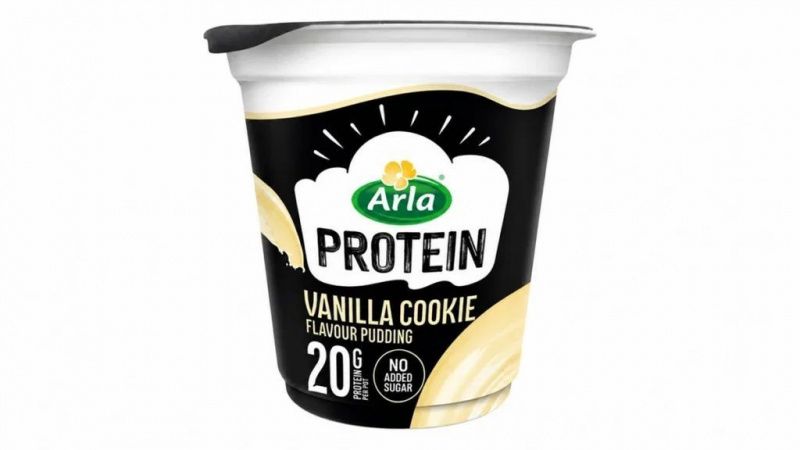
The Spanish recall covers batch ES26271001, packaged in 200-gram plastic jars and carrying a best-before date of 25 April 2027. AESAN has asked consumers to check refrigerated supplies against the batch identification. Anyone holding an affected jar should discard it or take it back to the shop where it was bought.
Danish health regulators raised the initial alert, which reached Spain through the EU’s Rapid Alert System for Food and Feed, known as RASFF. AESAN then activated Spain’s Coordinated System for the Rapid Exchange of Information, or SCIRI. Regional public-health directorates were instructed to check that the affected products were being removed immediately from supermarket shelves and distribution warehouses.
Arla Foods, the European dairy cooperative that manufactures the pudding, is also involved in withdrawals of high-protein dairy desserts outside Spain. Food-safety agencies in Australia and New Zealand have recently announced similar actions covering several flavours and date codes. The Spanish action is confined to the identified chilled production batch.
Glass, hard plastic and metal particles are physical hazards addressed by Hazard Analysis Critical Control Point protocols in dairy processing. Industrial bottling and dessert-filling equipment uses optical cameras, X-ray inspection and high-frequency acoustic sensors to identify contaminated containers before products are assembled on pallets. These systems form part of factory checks for foreign material.
Potential routes for contamination include broken inspection windows, friction during container handling and failures of containers used for raw materials. When a possible breach is identified, processors trace the affected production runs and isolate them to prevent injuries from contaminated products. Cross-border recalls by international dairy cooperatives use batch-level tracing throughout the supply chain to identify the products covered by withdrawal instructions.
In Spain, protein-enriched puddings, fortified yogurts and other functional dairy desserts have recorded rapid volume growth in recent years. These products are purchased by health-conscious shoppers and gym-goers seeking portable sources of protein. AESAN’s advice extends to jars already bought and stored in household refrigerators, as well as the stock subject to checks by regional authorities.









