Sow’s Milk Outperforms Cow’s in Protein but Remains Unmarketed
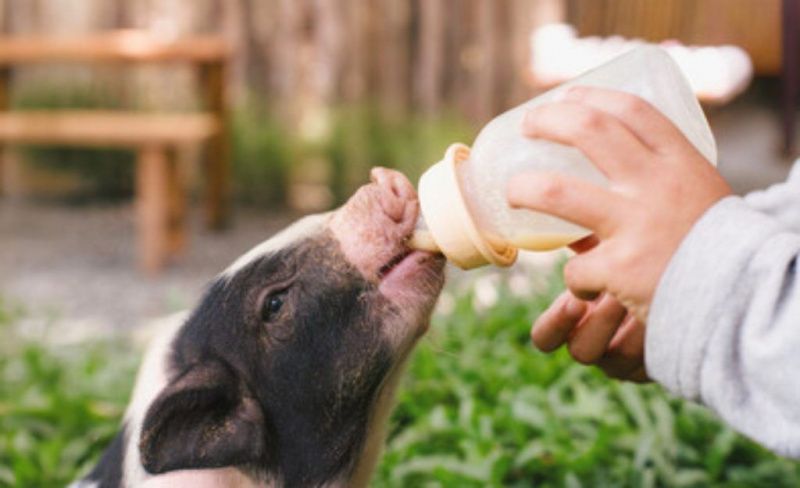
Researchers at the Institute of Animal Science and Veterinary Medicine of the Shanghai Academy of Agricultural Sciences examined milk from Meishan and Landrace/Derby sows. Their findings put the protein content of sow’s milk at 10.6–16.7 grams per 100 grams, compared with 3.0–4.0 grams in cow’s milk.
The study also found that sow’s milk contains about 1.5 times more calcium than cow’s milk. Its lactose concentration ranges from 1.9 to 3.0 grams per 100 grams, below the level found in bovine milk. The comparison concerns an animal product rather than a plant-based or laboratory-made drink.
The first obstacle is the anatomy of the sow. Unlike cows and goats, whose udders are concentrated in a structure that supports mechanical milking, sows have teats distributed along the underside of the body and no equivalent collecting system.
Sows also lactate for only about 30 days and produce roughly 7–9 kilograms of milk a day. Most of that output is required to feed their piglets, leaving limited quantities for any other use.
Production costs provide another constraint. According to the study, producing 1kg of sow’s milk requires up to 12 yuan in feed and management costs, equivalent to about R$9 in the source’s calculation. Raw cow’s milk costs between 3 and 4 yuan, or approximately R$3, for the same quantity.
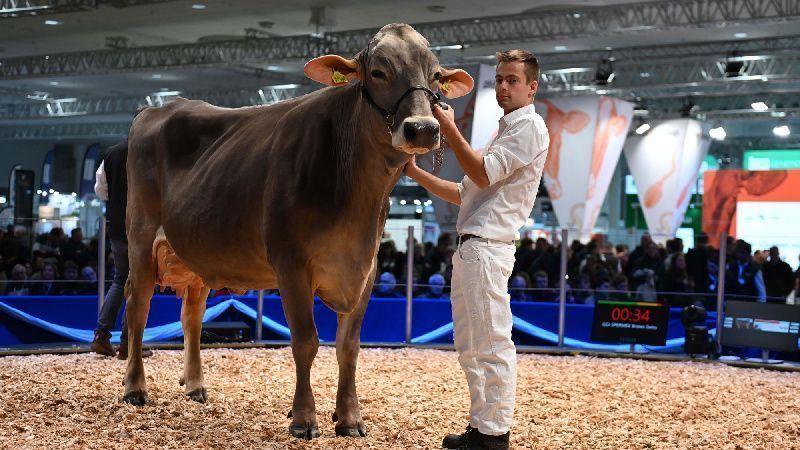
The animals’ breeding history is a further difference between the two sectors. Cows and goats were selected over generations for milk production, while pigs were bred primarily for meat. Modern pig farming continues to favour animals with a high proportion of lean meat, a selection that reduces body fat in sows and is associated with lower milk production. Sow’s milk has therefore remained outside commercial dairy production despite its measured nutritional characteristics.