Russian exporters switch to sunflower oil and meal shipments to Kazakhstan after seed ban
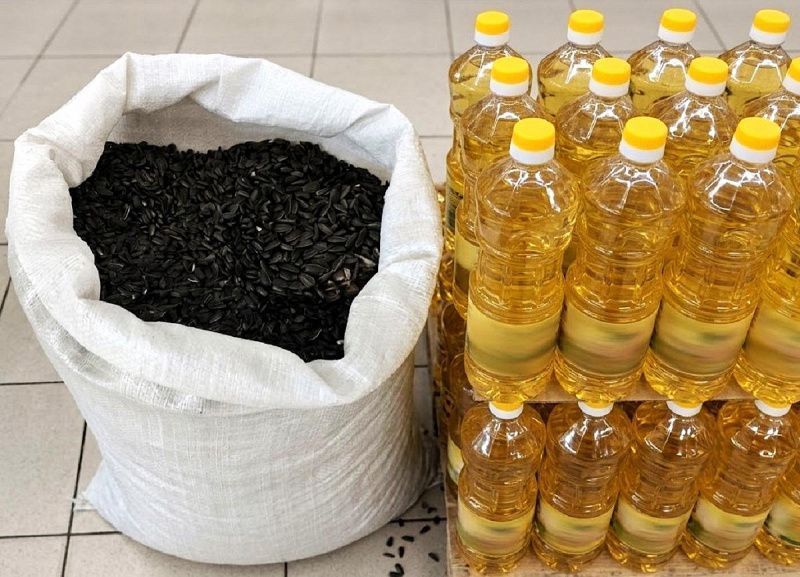
The restriction has been in effect since October 23. The State Inspection Committee in the Agro-Industrial Complex of Kazakhstan’s Ministry of Agriculture notified Russia’s Federal Service for Veterinary and Phytosanitary Surveillance (Rosselkhoznadzor) that the issuance of phytosanitary certificates for shipments of Russian sunflower seeds to Kazakhstan had been suspended. In late October, Kazakh farmers reported large-scale shipments of cheap raw materials from Russia. The National Oilseed Processors Association disputed that assessment, saying import volumes were moderate and purchases reflected underutilized processing capacity.
According to figures cited by the APK Novosti news agency, Russia’s processing sector faces a capacity shortage this season. Russia’s oilseed harvest is estimated at 35–40 million tonnes, while oil extraction plants can process around 34 million tonnes annually. The agency estimates the raw material surplus at 4–9 million tonnes. Meanwhile, the 2026/27 season is marked by record sunflower harvests in both Russia and Kazakhstan.
Exports are also constrained by the state of port infrastructure. The report notes a shortage of specialized terminals for handling dry and liquid bulk cargo at Baltic ports. The forecast for Russian sunflower oil exports was cut from 3.5 million tonnes to 2.8–3.0 million tonnes. Expected meal exports were reduced from 2.5 million tonnes to 2.0–2.2 million tonnes. According to the agency, the short storage life of oilseeds forces farmers to accept prices below export parity, sometimes below production costs.
Karabanov links the decline in Russian sunflower seed prices to expectations of a large harvest and difficulties selling oil, meal and press cake. Among the obstacles, he cited the blocking of Black Sea and Sea of Azov ports following attacks by both sides on vessels, terminals and other port infrastructure. At the same time, he said, prices for processed sunflower products were falling.
On Kazakhstan’s market, according to Karabanov, the influx of cheaper Russian raw materials coincided with a decline in sunflower seed prices over a month, from 200,000–210,000 tenge to 160,000–165,000 tenge. He linked this trend to Russian shipments that preceded the import restriction. The ban on raw materials nevertheless leaves open the possibility of importing Russian oil and meal.
Karabanov expects technical constraints on Baltic export routes to prompt Russian producers to offer processed products more actively to buyers in Kazakhstan, other Central Asian countries, Afghanistan and China. In his assessment, competition with Kazakh oil will intensify in these markets, putting pressure on prices. He also forecasts that lower oil and meal prices will affect the purchase prices Kazakh processors offer local sunflower growers.
Discussing the consequences of the measure, the Grain Union representative said: “Restricting sunflower seed imports from Russia will not help stabilize prices in our country.”









