Record Summer Heat Reduced British Milk Output by 240m Litres
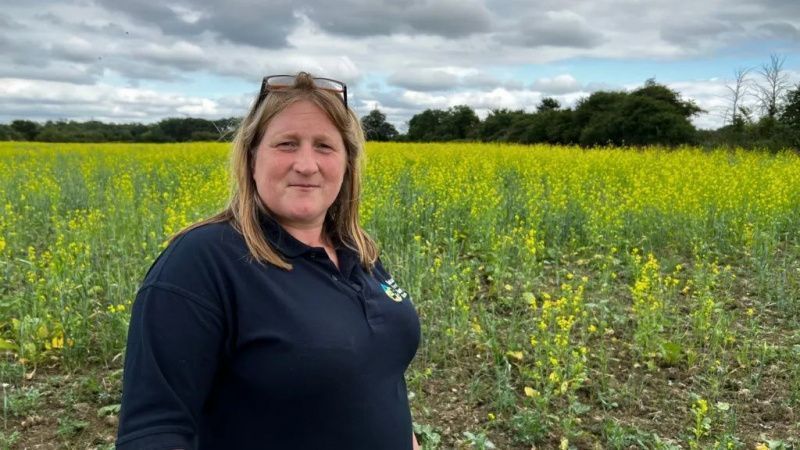
Pasture conditions deteriorated across major British dairy regions during the summer. By early September, cumulative seasonal grass growth stood at only 86% of the five-year average. The resulting shortage represented approximately two months of forage for the national cattle herd, and the shortfall could not be recovered before winter.
With grazing areas dried out, farms began using winter silage and compound feed several months earlier than planned. The early drawdown reduced feed reserves and increased farmers’ exposure to higher hay and concentrate prices. The change moved operations away from the lower-cost grazing period and towards a more intensive feeding system.
Many producers also brought milking cows indoors to limit heat stress and maintain baseline lactation cycles. Indoor summer housing required additional labour, mechanical ventilation, slurry handling and bedding replacement. These expenses were incurred while farmgate milk prices were about 34.7 pence per litre.
Milk prices were pressured by excess supply from earlier periods of high-volume production. At the same time, the cost of maintaining herds increased as farms used purchased feed and operated confinement systems during the summer.
Feed scarcity was also reflected in national herd-management decisions. Cull-cow throughput rose by 16% in drought-affected areas, as farmers reduced herd numbers and daily forage requirements. The increase in slaughter volumes pushed cull-cow prices down by almost 10% in recent weeks.
Selling older or lower-yielding cows provided farms with immediate cash and reduced pressure on silage supplies. It also reduced the number of breeding animals available to replenish herds, affecting replacement pipelines and medium-term production capacity.