Pijijiapan Producers Demand Support for Traditional Dairy Products
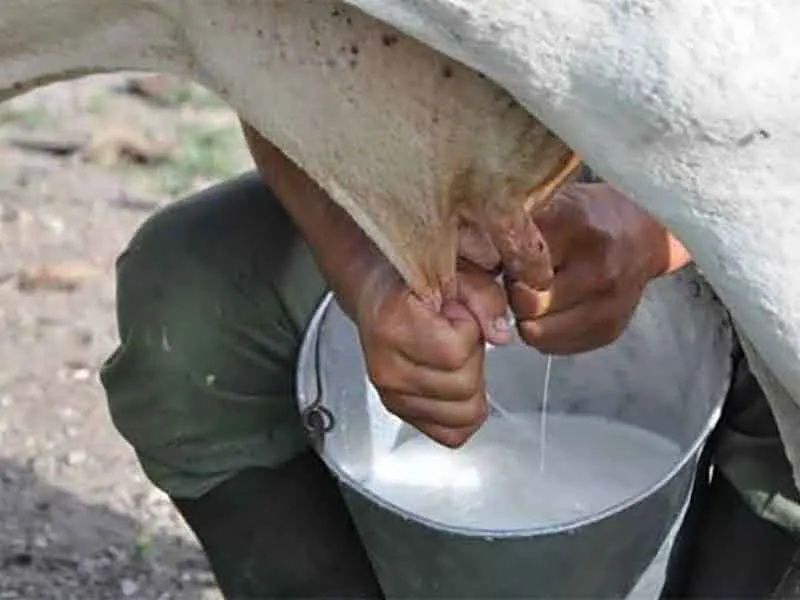
Producers and dairy processors in Pijijiapan, on Chiapas’s Pacific coast, have criticised what they describe as limited official attention to the local livestock and cheese-making sector. The municipality is known in the state and elsewhere in Mexico for its quesillo, or string cheese, as well as fresh cheeses and cream.
Representatives of the sector said the activity has not received sufficient access to public funding or development policies. They called for integrated programmes covering finance, production technology and commercial promotion, saying these measures would help local producers retain more value from their goods.
Pijijiapan forms part of Chiapas’s milk-producing basin, where hundreds of dual-purpose cattle herds supply traditional cheese workshops. Those businesses process thousands of litres of fresh milk each day, while the sector supports rural households, milking workers and local distributors. The municipality has also gained historical recognition for producing what was described as the world’s largest artisanal quesillo.
Producers identified intermediary trading, known locally as coyotaje, as a central problem. They also pointed to inadequate refrigerated collection capacity for raw milk and finished dairy products. Rising costs for feed, mineral supplements, rennet and packaging have added to pressure on small-scale milk producers, according to the sector’s representatives.
Because they need immediate cash, smallholders may sell their output to buyers from outside the area at reduced prices, the representatives said. Intermediaries then place the products in wholesale food markets and urban retail chains, where they capture a larger share of the final margin. Producers said the region’s reputation and demand in nearby markets have not resulted in higher returns or improved living conditions for primary producers.
The sector also requested collective brands, quality certification and a formal geographical indication for dairy products from the coastal area. Producers said the absence of such protections leaves artisanal cheese competing with lower-priced products made with vegetable fats, starches and reconstituted milk powder, which are sold through retail channels.
Farmers and cheese-makers have asked Chiapas’s agriculture and economy authorities to convene an interagency working group. Their proposals include upgrading hygienic milking facilities, providing accessible credit for refrigeration and pasteurisation equipment, and creating formal campaigns to open direct markets in central Mexico.