Nepal’s milk production reaches 2.72 million tonnes as dairy diversification remains limited
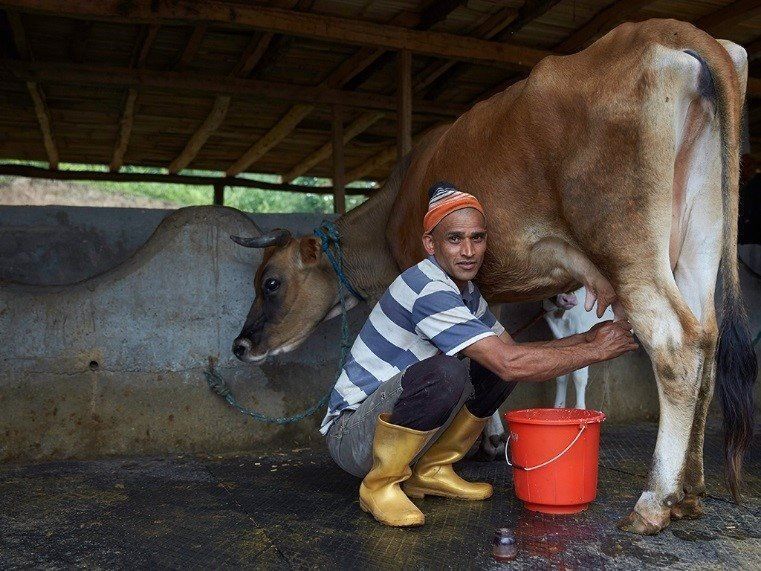
The Dairy Development Corporation (DDC) collects more than 60 million litres of milk annually. Its supply network encompasses over 200,000 producers, roughly 1,200 cooperatives and 45 districts. Alongside this collection system, DDC brings decades of operating experience and recognition among consumers. The article identifies these resources, together with private-sector entrepreneurship, as a foundation for further processing and market development.
India’s Amul is presented as an example of a dairy cooperative that has developed a recognised consumer brand through product development, dependable quality, packaging, distribution and continuing promotional activity. For Nepalese processors, the article lists cheese varieties, cream, flavoured milk, yoghurt, protein drinks and convenient dairy-based foods as possible additions to existing ranges. It suggests that a broader offering could attract additional customer groups, increase demand for locally collected milk and improve processors’ profitability.
The article’s recommendations for product development extend beyond adding items to a catalogue. They include studying consumers’ purchasing habits, maintaining uniform taste, strengthening quality controls, choosing suitable packaging and setting competitive prices. It also calls for profitability assessment at individual-product level, professional marketing management and sustained brand promotion. Hotels, cafés, restaurants, bakeries and other catering businesses are identified as another potential market. Dedicated distribution arrangements for these customers could, in the article’s assessment, support steadier orders and closer commercial relationships.
Investment priorities identified across the supply chain include expanded refrigeration infrastructure, upgraded processing plants, milk-chilling facilities, temperature-controlled transport and laboratories for testing quality. The article links these improvements to preserving product standards and limiting losses after collection. It also identifies roles for private companies in adopting technology, making specialised dairy products and extending retail reach. Affordable borrowing and stable regulation are described as important conditions for attracting investment over the longer term.
On government policy, the article advocates an import-tariff approach that supports domestic producers while encouraging efficiency, new products and competitive prices. It cautions that extensive protection unaccompanied by productivity improvements could constrain the sector’s development. Other recommendations cover higher farm productivity, assistance with technology adoption, stronger programmes for farmers and partnerships between public institutions and private businesses. For DDC specifically, it proposes greater freedom over operational and commercial decisions to facilitate product development and responses to market changes.
The article also proposes a transparent process for adjusting milk prices promptly. Under that approach, developments in India’s dairy market could provide one reference point, considered together with Nepalese production costs, farmers’ needs and domestic trading conditions. Its commercial recommendations place emphasis on reliable delivery, consistent product standards and an understanding of customer expectations, alongside pricing and promotion.