Milk prices rise Rs 8/litre, curd Rs 14/kg in India’s Karnataka
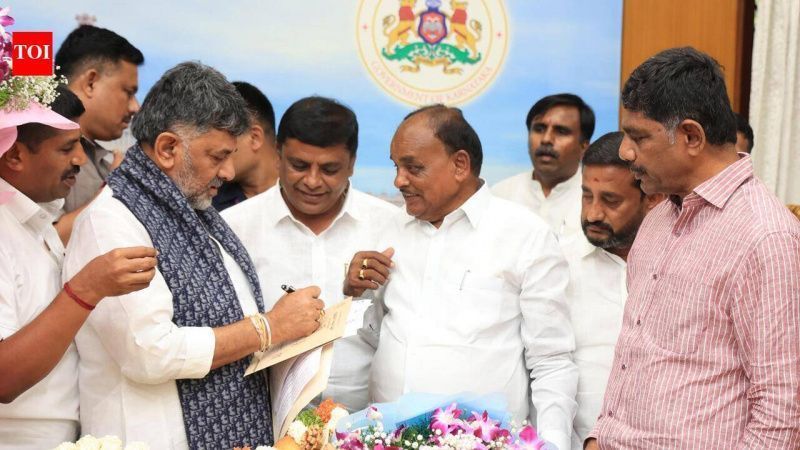
The government has justified the increases by citing higher production expenses for small and marginal dairy farmers. DK Shivakumar said these groups account for 67% of Karnataka Milk Federation (KMF) members. Milk procurement payments will increase to Rs 42 per litre from Rs 35. A separate government incentive of Rs 5 brings farmers’ receipts to Rs 47 per litre. Officials estimate that the change will provide farmers with an additional Rs 18.5 billion–21 billion annually.
Karnataka has approximately 2.68 million dairy-farmer members, of whom 890,000 deliver milk to cooperative societies. The retail increases affect purchases across households. Bengaluru consumers already face expensive housing, higher food and LPG costs, and employment losses associated with geopolitical disruption and the expansion of artificial intelligence.
The Bangalore Hotels Association has challenged the difference between the two increases, asking why the rise for a kilogram of curd exceeds that for a litre of milk. Prices for butter, ghee and buttermilk are also due to increase, with adjustments varying according to fat content. Political analyst MN Patil said the effects would reach other household spending, comparing the broader impact with that of higher fuel prices.
BAMUL president DK Suresh, Shivakumar’s brother, had advocated higher payments to producers, pointing to increased spending on animal feed, fodder, veterinary services and transport. Before the decision, he joined discussions in Bengaluru involving Shivakumar, KMF representatives and milk-union officials. The unions had requested an increase of Rs 12 per litre. Shivakumar postponed a decision in September and requested information on prices and production expenses in neighbouring states.
The price changes come as Congress organises for elections to taluk and zilla panchayats, the subdistrict and district councils. Shivakumar instructed party officials the previous week to start election preparations. The internal debate concerns whether the higher cost of everyday dairy purchases undermines the household relief associated with the party’s guarantee programmes.
Congress devised the five guarantees before the 2023 state assembly election, presenting them as protection against inflation and increases in fuel costs that it attributed to the BJP-led central government. Political analyst Vishwas Shetty said the programmes had helped Congress reassure voters about living expenses, particularly middle-class households. He argued that a smaller milk-price adjustment of Rs 3–4, comparable to earlier revisions, would have attracted less criticism.
Shetty also said that households benefiting from free bus journeys and electricity could nevertheless face larger dairy bills. Patil said dairy farmers might welcome the decision, but Congress would need to explain to middle-class buyers why a government elected on promises of inflation relief had increased the price of an everyday necessity before local elections.









