Milk prices in Amritsar to rise by ₹5 per litre from November 1
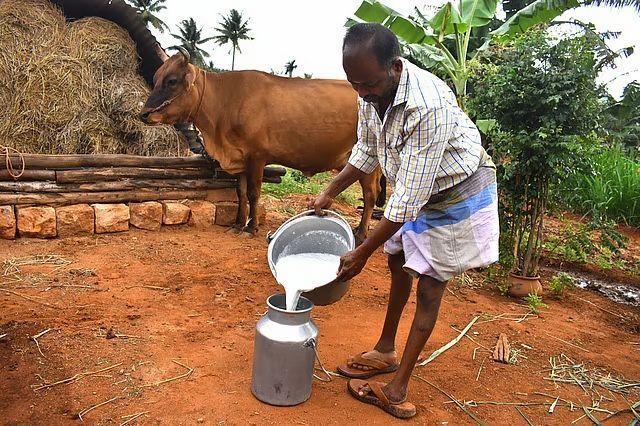
Producers have faced higher purchase prices for milk-producing buffaloes and high-yielding crossbred cows. Association representatives also described increases in recurring expenses, with the cost of commercial cattle feed, fresh fodder and dry fodder rising over recent months. Wheat straw and silage were among the inputs affected.
Veterinary medicines and wages for dairy workers have also become more expensive. According to the representatives, revenue from milk sales has not kept pace with these expenses, leaving local producers with growing operating losses under existing prices.
Amritsar’s milk distribution system combines packaged products from organised brands, including cooperative suppliers, with a large network of independent farms, dairies on the city’s outskirts and neighbourhood vendors known as dudhis. The loose-milk customers affected by the adjustment include households, tea sellers, confectionery businesses and traditional sweet shops, or halwais. Dairy clusters in Ludhiana have already seen similar price revisions.
The increase coincides with the festive period, when demand across northern India peaks for drinking milk and products including curd, paneer and concentrated milk solids known as khoya or mawa. Consumer advocates say the higher price will add to households’ monthly grocery expenditure.
Dairy farmers argue that the adjustment is needed to avert business failures and the sale of herds. They contend that receipts insufficient to pay for animal nutrition and health care can reduce milk production, leading to local supply shortages and greater dependence on poorer-quality or adulterated milk.