Milk output in Mexico’s Mazatlán dairy basin falls by up to 15%
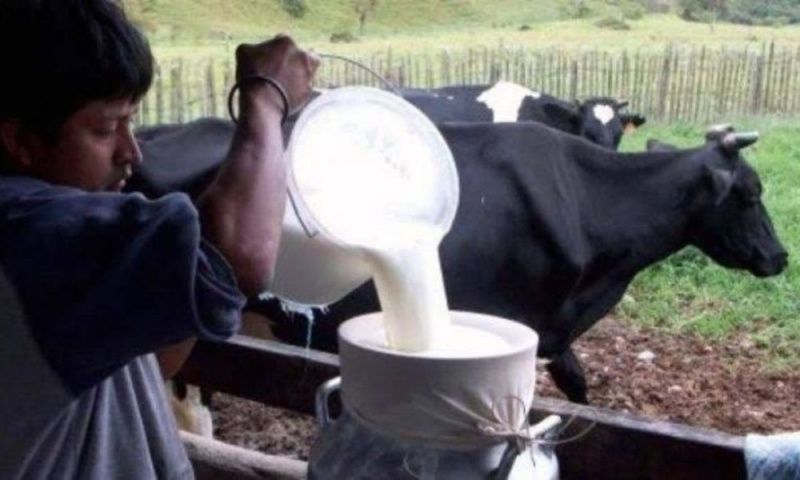
The production area covers Mazatlán municipality and surrounding valleys in southern Sinaloa. Prolonged drought, a lack of government subsidies and farm-gate prices below operating costs have accompanied the closure of family dairy farms and the sale of breeding cows. Producers are reducing their herds as the cost of maintaining animals exceeds the income available from private milk buyers.
Water shortages have reduced both the availability and quality of pasture and cut forage. Farmers use energy-rich rations containing ground grain and commercial concentrates to maintain the milk-solids, butterfat and casein levels required by processors, while the prices of these inputs have risen. Feed—including maize silage, crop residues and protein concentrates—accounts for more than 70% of operating expenditure per litre of milk. The financial pressure is exhausting farms’ weekly cash resources and leaving debts that restrict spending on preventive veterinary care and replacement milking machinery.
High coastal temperatures also expose Holstein cows and dairy crosses to heat stress. The article links these conditions to a greater incidence of environmental mastitis and identifies forced ventilation, forestripping and pre-milking teat disinfection as measures needed to protect udder health. After milking, milk requires rapid cooling and continuous storage at 4°C in insulated stainless-steel tanks to limit bacterial growth and stabilise acidity before collection by insulated tankers.
The regional retail market includes blended dairy products and cheese substitutes made with imported dried whey, modified starches and palm or soya fats. These products are sold at low prices through neighbourhood grocers, municipal markets and supermarkets. The report describes their competition with fresh cow’s milk as a further source of pressure on the prices offered by buyers and private cheesemakers. Farmers without formal distribution channels also depend on intermediaries when selling their milk.
Producers are looking to the planned opening of a Liconsa collection centre in Mazatlán, backed by an announced federal investment of 18 million pesos. The facility is intended to provide cooling infrastructure and a guaranteed purchase price. The report presents its opening as a potential source of financial relief for local farms. Meanwhile, sales of dairy herds to slaughterhouses or fattening operations in neighbouring states are reducing the productive assets held by family businesses.
The article calls for a coordinated response involving Sinaloa’s Secretaría de Agricultura y Ganadería, livestock-development committees and rural lenders. Its proposals include emergency supplies of subsidised forage, rehabilitation of livestock wells and support packages for planting drought-resistant cover crops. It also advocates accelerating the opening and certification of the federal Liconsa collection centre, alongside investment in cold storage for family dairy farms.