Mexico allocates 21,195,278 pesos to support dairy farmers in Jalisco
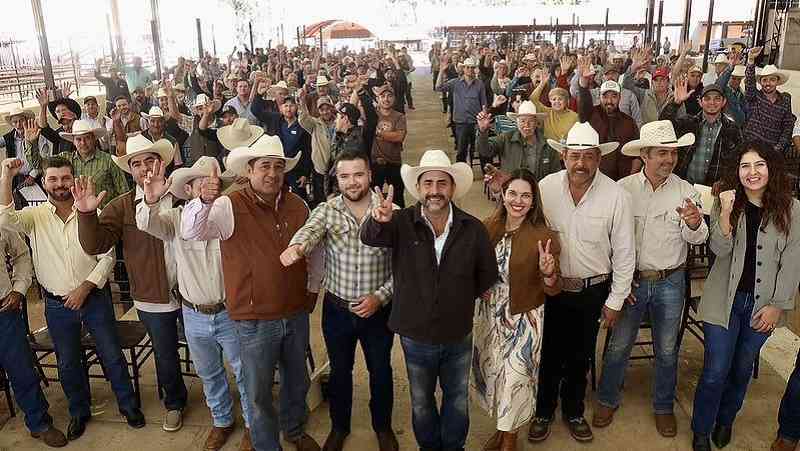
Eduardo Ron Ramos, head of Jalisco’s Secretaría de Agricultura y Desarrollo Rural (SADER Jalisco), led the signing ceremony at the Asociación Ganadera Local de Tepatitlán de Morelos. The dairy-herd and livestock programme received 18,834,678 pesos, while a further 2,360,600 pesos was assigned to beef semen for use in dairy herds. The latter programme is intended to give family-run farms an additional source of revenue through calves bred for the commercial beef market. The funding package targets the competitiveness, equipment and genetic quality of livestock operations across the two producing regions.
The breeding approach described in the report involves using beef genetics on low-yielding dairy cows or animals designated for culling. Farms can reserve their best breeding females for dairy replacements, using sexed semen, while inseminating other cows with semen from beef breeds. The resulting first-generation crosses are described as having greater hybrid vigour, higher weaning weights and stronger muscular development. Los Altos is identified as the area with Mexico’s highest concentration of livestock. The programme places beef-calf production alongside the region’s established dairy activity.
The report also sets out herd-health and milk-handling practices for participating farms. These include measures against environmental mastitis, with strict hygiene during forestripping and pre-milking teat disinfection. After morning and evening milking, raw milk is transferred to rapid-cooling tanks and maintained at four degrees Celsius. Cooling is used to limit bacterial growth and control titratable acidity before collection tankers take the milk to pasteurisation facilities or industrial cheese plants. These handling requirements accompany the genetic-improvement measures described for the region’s herds.
Antonio Ruelas, president of the Unión Ganadera Regional de Jalisco (UGRJ), and Gustavo Mendoza García, leader of the local livestock association in Tepatitlán, supported protecting primary production to supply the processing industry with raw milk containing high levels of total solids. Their comments came amid competition from blended dairy products and substitutes sold in supermarkets and neighbourhood shops. The report describes such products as containing imported dried whey, modified starches and hydrogenated palm fats, and being sold cheaply as if they were milk. It also describes processing methods for cow’s milk, including continuous pasteurisation above 72 degrees Celsius and ultra-high-temperature treatment at 138 degrees Celsius for four seconds.
Farm finances in Los Altos are under pressure from rising agricultural input costs and inflexible farmgate milk prices, according to the report. Feed accounts for more than 70% of current operating expenditure per litre in specialised dairy operations. Rations include maize silage, alfalfa hay and commercial protein concentrates. Climate variability and prolonged dry conditions raise the cost of balanced feed and reduce weekly liquidity at family farms. The report presents infrastructure subsidies and sales of crossbred calves for fattening as additional cash sources for debt payments, milking-machine spare parts and rural employment.
For implementation, the report calls for continuing technical oversight involving SADER Jalisco, local livestock associations and state livestock-development committees. It recommends directing cryogenic storage tanks and beef-semen doses to small and medium-sized farms facing squeezed margins, alongside specialist veterinary advice on oestrus synchronisation and fixed-time artificial insemination. It also advocates arrangements with local processors covering transparent purchasing terms and stable contracts for milk collection.









