Mexican authorities warn road blockades could cause major losses for farms
Isidoro Armendáriz García, head of the Secretaría de Desarrollo Rural y Agroempresarial de Aguascalientes, said there had so far been no critical shortages or direct stoppages in core activities, including local dairy production. His department is working with the Secretaría General de Gobierno on preventive measures. The authorities are seeking to safeguard the movement of vegetables, harvested fodder and export consignments, including grapes and tomatoes. Disruptions on roads in neighbouring Jalisco, Guanajuato, Michoacán and Zacatecas threaten heavy-goods routes and commercial delivery schedules.
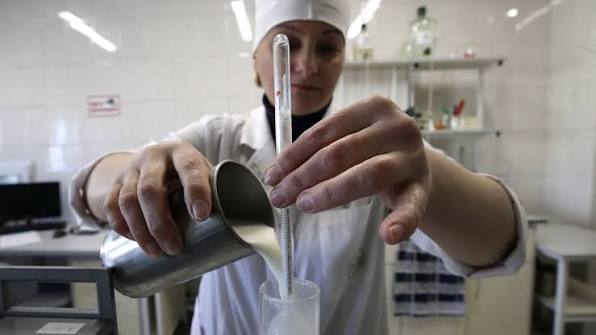
Dairy farms face particular constraints because milk production continues regardless of transport conditions. Lactating cows require milking two or three times a day to prevent udder damage and mastitis. Once collected, raw milk must be cooled rapidly and kept at 4°C in farm tanks, which generally provide no more than 48 hours of storage. If insulated collection tankers are held at blockades or delayed on their way to pasteurising and drying plants, those tanks can fill up, forcing farmers to discard milk.
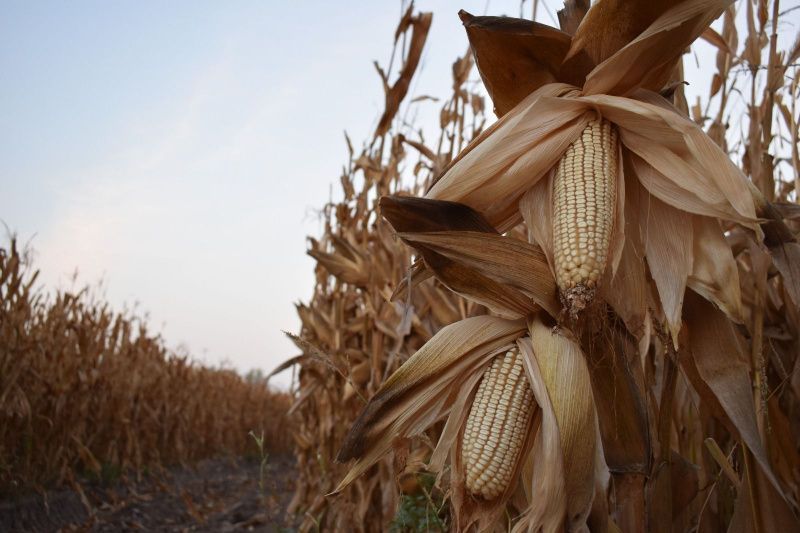
Road access is also needed to replenish alfalfa hay, maize silage and energy concentrates, as well as diesel for generators supplying milking facilities. Feed accounts for more than 70% of dairy farms’ current operating expenditure. The article describes how interruptions to deliveries of feed grains can force sudden ingredient substitutions at inflated prices, disturbing rumination and reducing herd output. Discarding raw milk or finished products also cuts the weekly cash flow of small and medium-sized producers, limiting their ability to pay wages and purchase veterinary supplies.
The disruption extends to wholesale markets and food-processing businesses in central and northern Mexico. The article describes interrupted road deliveries as a source of fresh-food shortages in shops and greater use of stocks of dried ingredients by processors seeking to keep production lines running. It also identifies a risk that modified dairy formulas and substitutes made with industrial whey and vegetable fats could displace pasteurised cow’s milk at retail outlets, given the latter’s dependence on rapid refrigerated transport.
For agricultural exporters, delays at border crossings can bring contractual penalties running into millions and deterioration of perishable consignments destined for American distributors. Producers also face higher road-freight charges, cargo-insurance premiums and costs associated with vehicles standing idle. Hauliers impose additional charges for operating in areas exposed to blockades, increasing transport expenditure for farms whose margins per tonne or litre are already tight.
Livestock organisations and state bodies supporting the sector have emphasised the need for real-time communication among tanker drivers, collection centres and public-security personnel on federal highways. They have called for political negotiations and safe transport corridors for food and raw milk, with the aim of maintaining collection, cooling and delivery operations in the Bajío and western Mexico.