Mexican authorities investigate suspected milk substitute sold for four pesos per unit
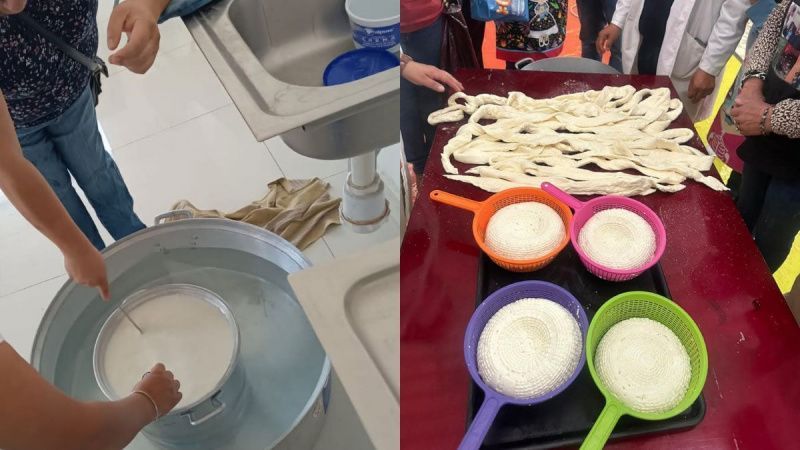
Napoleón González Pérez, head of the Secretaría de Agricultura y Desarrollo Rural de Hidalgo, said livestock associations raised the alarm after their members detected large quantities of the substance entering workshops producing dairy products. Preliminary inquiries indicate that shipments originate in the Bajío region and Jalisco state and arrive in Hidalgo without certificates of origin or clear sanitary traceability. The state government requested intervention by the Secretaría de Salud and the Comisión para la Protección contra Riesgos Sanitarios del Estado de Hidalgo (Copriseh) to establish the product’s composition.
Authorities rejected the possibility that the liquid was genuine cow’s milk, citing production costs incompatible with its selling price. Producing a litre of raw milk on family-run and semi-extensive farms in the central highlands currently costs between six and eight pesos in direct operating expenses. Feed, including silage and concentrates, accounts for more than 70% of the final value of milk production. The reported four-peso selling price is per unit, whereas the production-cost figures are per litre.
Specialists suspect the substance could be an emulsion containing dried dairy whey, modified starches, permeates and hydrogenated palm or soya fats. Another possibility under consideration is reconstituted surplus dairy material processed without controlled pasteurisation. Such mixtures can affect casein yield and titratable acidity during cheesemaking. The report also identifies biological safety risks when these inputs lack continuous refrigeration at four degrees Celsius or standardised heat treatment above 72 degrees Celsius.
The affected milk-producing area includes Tulancingo, Acatlán and Cuautepec. According to the report, the use of cheap substitutes by traditional cheesemakers displaces purchases of raw milk and forces small farmers to sell their morning output below production costs. It describes an existing practice in retail outlets and popular markets in which products containing vegetable fats are sold under the names queso ranchero, panela and quesillo de hebra. Copriseh’s audits are intended to penalise irregular sales and prevent nutritionally deficient products from reaching households in metropolitan Pachuca and the Tulancingo Valley.
Local dairy farms also face higher costs for agricultural inputs used to supplement cattle feed and delays in public milk-collection infrastructure. Construction of collection centres in Tulancingo and Tizayuca has stalled. Farms lack formal purchasing channels, including access to the federal guaranteed-price programme, through which to sell their daily surpluses. These difficulties form part of the financial pressures described in the report alongside the arrival of the suspected substitutes.
The report links farmers’ cash shortages to difficulties paying wages, buying machinery diesel and funding preventive veterinary care for udder diseases such as mastitis. It also describes family farms selling productive breeding cows for slaughter as liquidity tightens. Laboratory testing by the health authorities forms part of the investigation into the unregulated supply entering the region’s dairy-processing workshops.









