Mastitis could absorb 55–98% of annual gross margin on Brazilian dairy farm
The CNA assessment used information from Projeto Campo Futuro, working with Cepea/ESALQ-USP. It put the daily milk loss associated with subclinical mastitis at 0.18–0.88 litres for each affected teat, varying with the organism responsible for the infection. This form of the disease can reduce herd output progressively without producing visible changes in either the milk or the udder.
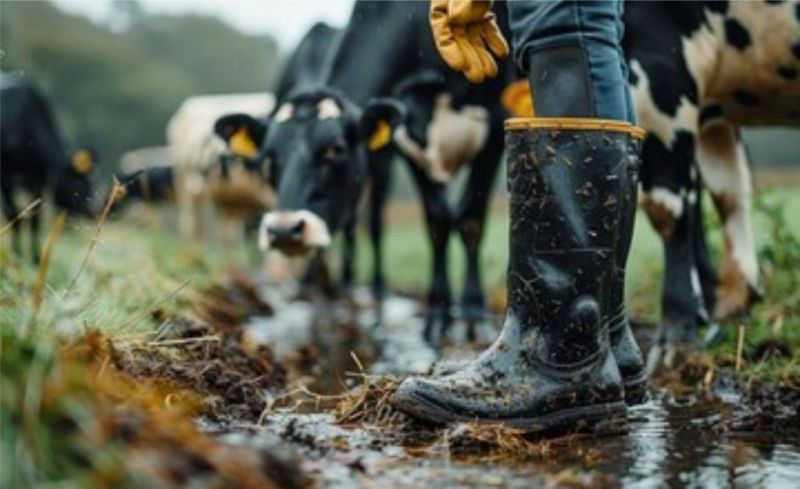
Rainwater and organic material accumulating around livestock facilities increase exposure to environmental bacteria, including Escherichia coli, which can infect the mammary gland. Wet resting areas, insufficient drainage and shortcomings in hygiene increase the risk. Daniel Miranda, product manager for the dairy line at Zoetis Brasil, said environmental conditions directly affect cows’ exposure to disease-causing organisms. “Prevention and early identification of cases are essential to reduce production losses and preserve milk quality,” he said.
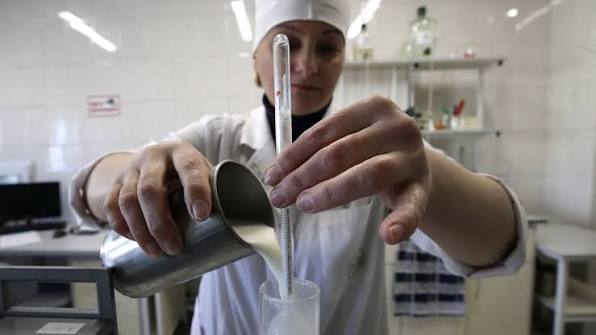
Clinical mastitis produces clots in the milk and signs of udder inflammation. Detecting the subclinical form requires monitoring somatic cell counts and, where indicated, further testing. The management measures described include keeping resting areas dry and clean, limiting mud accumulation, providing adequate drainage for rainfall and properly cleaning teats both before milking and afterwards.
Excessive moisture and mud also encourage hoof infections, including digital dermatitis. This bacterial disease causes painful lesions and makes movement difficult. A scientific study cited by Zoetis found that affected cows produced an average of 0.7kg less milk a day than healthy animals, with production adjusted for fat and protein content. Moist conditions can also favour parasites and insects, requiring attention to pasture management and the cleanliness of livestock buildings.
Another seasonal health concern is leptospirosis, which spreads through contact with water, soil or feed contaminated by urine from infected animals. It can cause abortions in cattle and poses a risk to human health. Biosecurity measures and vaccination programmes are among the measures highlighted in connection with the disease.
Miranda recommended an integrated approach to herd health: keeping the animal-health schedule up to date, watching for changes in cows’ behaviour and obtaining veterinary guidance when deciding which measures to use on each farm. Zoetis said the selection of treatments and vaccination protocols should be made by a veterinarian, taking account of product-label instructions and withdrawal periods.