Kensing introduces light cream cheese prototype enriched with sunflower sterols
Sunvasterol EST is made exclusively from sunflower seeds and is intended for use in dietary supplements and the fortification of everyday foods. Kensing describes its composition as non-GMO and clean-label, and says its sunflower origin permits allergen-free-by-origin labelling. The ingredient supplies phytosterols, naturally occurring lipid components present in seeds, cereals, nuts and pulses. Sunflower seeds are among the richest seed sources of these compounds.
Plant sterols have a structure resembling that of cholesterol and can lower blood LDL cholesterol when consumed as part of the diet. Their cholesterol-lowering effect is supported by health claims approved by the European Food Safety Authority (EFSA) for daily consumption of 1.5–3.0g. Kensing presents Sunvasterol EST as a way to incorporate those clinically supported benefits into familiar foods, including the cream cheese formulation.
Last year, Kensing obtained EFSA novel-food exclusivity for Sunvasterol. The European Union authorisation broadens the permitted phytosterol specification to accommodate a proportion of naturally occurring minor sterols ranging from 3% to 7%. According to the company, that specification corresponds more closely to the natural make-up of its sunflower sterols, reducing the processing required to bring the ingredient into compliance with the specification.
The proprietary ingredient contains concentrated, naturally derived phytosterols, principally beta-sitosterol, stigmasterol and campesterol. These are esterified using fatty acids obtained from sunflower oil. Esterification increases their solubility in fat, facilitating incorporation into foods that contain it. Kensing identifies cream cheese, margarine, other milk products and salad dressings as applications, alongside food supplements.
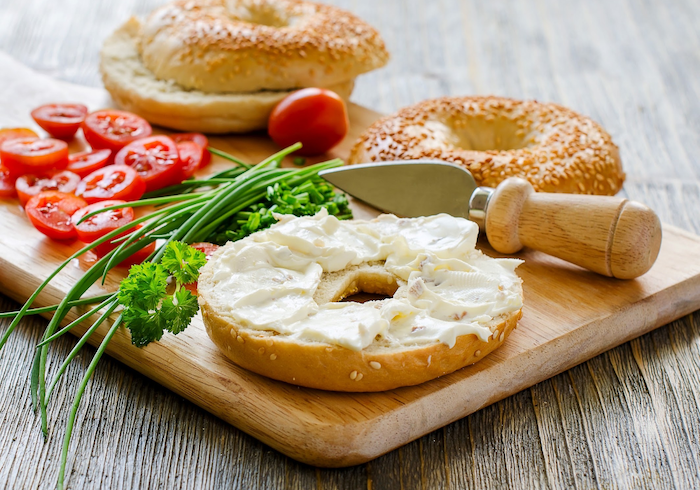
According to Kensing, the prototype maintains the creamy consistency and mild, neutral taste associated with conventional cream cheese. The esterified ingredient distributes uniformly through the fat component of the formulation. This helps prevent the gritty or wax-like sensation that free sterols can produce. The company describes the spread as suitable for breakfast or snacking while retaining the sensory characteristics expected of the product.
Alessio Tagliaferri, Kensing’s vice-president for global business development and marketing, said the company was seeking to bring phytosterols into daily diets through familiar products, including spreads and yogurts. He said taking plant sterols alongside meals is generally recommended to maximise their effect on LDL cholesterol: they act within the digestive tract to limit cholesterol absorption. Incorporating them into foods routinely eaten at mealtimes therefore had practical and nutritional value, he said.









