India’s dairy market is projected to reach Rs 19.6 trillion by FY31
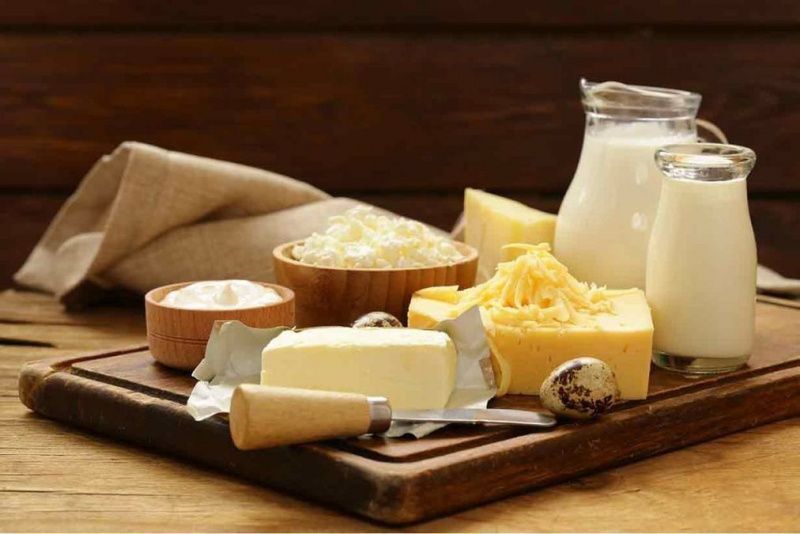
Liquid milk has traditionally dominated Indian dairy consumption, but producers are broadening their ranges to include Greek yoghurt, Skyr, paneer, cheese, premium ghee and nutritional products made with whey. Growing consumer interest in protein-rich diets is supporting the development of these categories. Companies are using processing and product differentiation to seek higher returns from milk, build distinct brands and reach customers looking for convenience, nutritional benefits and premium products. This expansion is also encouraging processors to pursue higher-value markets both within India and overseas.
Spending on more advanced factories forms part of manufacturers’ efforts to increase revenue from products beyond conventional milk. Specialised production equipment supports the processing requirements of these newer ranges, while helping businesses maintain uniform products and improve operating efficiency. Butter, ghee, cheese and milk powder remain established parts of the market. Alongside them, processors are exploring ingredients intended for industrial customers, including food manufacturers and businesses producing nutritional formulations. The sector’s changing investment priorities encompass both finished consumer goods and ingredients supplied to other producers.
Export plans increasingly encompass whey protein concentrate, whey protein isolate, lactose and casein. These ingredients are used in food manufacturing, nutrition products and specialised formulations, and their production calls for sophisticated processing, dependable raw-material quality and rigorous controls. Prospective destinations span the Middle East and Southeast Asia, as well as Africa, Europe and North America. Opportunities differ between those markets according to local consumption patterns, the needs of food manufacturers and applicable regulatory requirements. Overseas ingredient sales are being explored as an additional source of revenue for Indian dairy businesses.
Access to those markets involves requirements beyond the installation of additional capacity. Manufacturers seeking to compete with established international suppliers will need to meet food-safety rules, secure export certification and maintain consistent production standards. Traceability is another requirement, linking the quality of incoming milk to the finished product. Quality assurance, testing systems and manufacturing facilities designed for exports are among the areas identified for investment as companies develop specialised ingredients and seek international customers. Product development and access to overseas markets also feature in manufacturers’ priorities.
Temperature-controlled logistics remain a challenge for the expansion of specialised dairy production. Many of these goods need controlled conditions during both storage and transport. Preserving quality involves the entire chain, beginning with milk collection from farms and continuing through processing, packaging and distribution. Cold-chain infrastructure is therefore part of the requirements for serving domestic buyers as well as export destinations. Reliable distribution networks and modern processing equipment are among the investments envisaged for linking India’s milk supply with markets for more extensively processed products.
Procurement presents a further set of operational requirements. Processors will need closer coordination with farmers and stronger collection networks to obtain milk of dependable quality in sufficient quantities. Differences in milk composition, farm hygiene and the volume delivered can influence the efficiency of specialised manufacturing. Testing and traceability systems are among the tools identified for addressing these requirements across the supply chain. The industry’s development involves connecting procurement at farm level with specialised product development, factory operations and distribution, rather than concentrating investment solely at the processing stage.
The potential commercial opportunities extend to ingredient suppliers, equipment and technology businesses, logistics operators and dairy farmers. Greater demand for processed products could support better procurement arrangements and higher returns for farmers, provided gains are shared effectively through the supply chain. Manufacturers’ stated areas of focus include innovation, efficient processing and quality assurance. India’s substantial milk-production base underpins these activities, while the development of more competitive products for international markets will depend on coordinated sourcing, advanced manufacturing and dependable delivery systems.









