India’s ₹3.25bn cattle breeding centre is scheduled to open on October 30
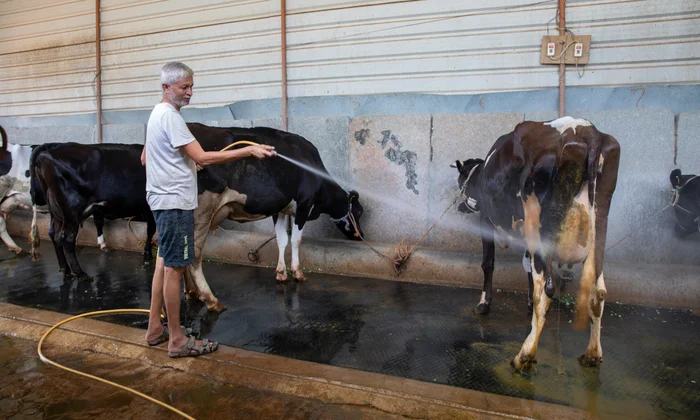
The Bharat Bovine Breeding and Research Centre (BBBRC) is being established at Bhildi in Gujarat’s Banaskantha district. Covering 127 acres, the facility will use advanced reproductive methods to increase the number of animals with desirable genetic characteristics and improve indigenous cattle and buffalo populations. Its breeding priorities will encompass the efficiency with which animals convert feed into milk, tolerance of high temperatures, resistance to disease and the composition of milk, alongside the quantity produced.
Shankar Chaudhary, chairman of Banas Dairy, has emphasised raising the productivity of indigenous breeds and obtaining more milk from fewer animals. The centre’s planned approach takes account of the expenses associated with production as well as output. Animals yielding large quantities of milk can also require costly feed, repeated veterinary treatment or intensive care. Under some farming conditions, an animal with a more moderate yield but lower feeding and maintenance requirements can provide a better financial return.
Feed and fodder represent approximately 70% to 75% of the cost of producing milk in India, according to the report. Many smallholder producers have little land, constrained access to fodder and limited operating funds. The amount of milk obtained from a given quantity of feed is therefore one of the traits the centre intends to prioritise. Breeding choices will also vary with farmers’ circumstances: some producers may seek greater volumes, whereas others may place more weight on fat content, upkeep costs or adaptation to the local climate.
Heat tolerance is another focus in areas exposed to long periods of high temperatures. Heat stress can reduce feed consumption, affect reproduction and milk output, and impair animal comfort. The centre aims to incorporate tolerance of these conditions and disease resistance into selection decisions. Its approach would allow breeding programmes to take account of local weather, the feed resources available to a farm and the characteristics sought by its milk buyers.
The collection includes more than 15 indigenous breeds as well as crossbred animals, with additional breeds planned, according to the report. Its cattle include Kankrej, Gir, Sahiwal, Red Sindhi, Tharparkar, Rathi, Punganur and Ongole; its buffaloes include Mehsani, Banni, Murrah and Jaffarabadi. Kankrej cattle are recognised for tolerating heat and resisting ticks. Crosses involving Holstein Friesian cattle are valued for milk yield, while buffaloes supply milk with a comparatively high fat content. These differences form part of the centre’s focus on matching genetic characteristics to particular production requirements.
The reproductive technologies envisaged for BBBRC are intended to make desirable traits available in more animals. The report identifies implementation, farmers’ access to the technologies and their adoption as factors affecting the practical benefits of the programme. It also links the benefits of genetic improvement to the selection of suitable animals and to their nutrition, veterinary care and day-to-day management.