High-tech US dairy farms produce up to 50 litres per cow daily
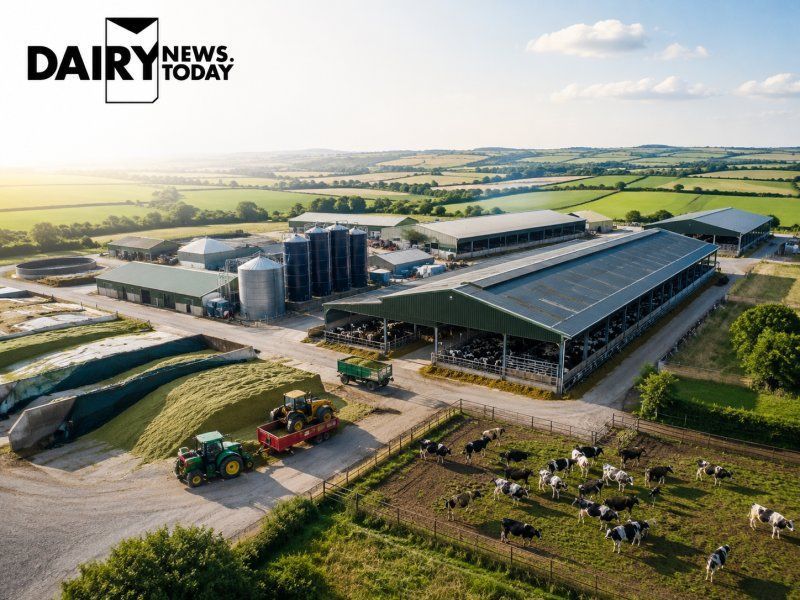
The delegation’s assessment linked production levels to the combined management of housing, nutrition, health and genetics. Specialists identified these Wisconsin herds as elite Holstein operations. Their findings emphasised consistent management across several aspects of production, rather than reliance on an individual machine or feed additive. The visit examined how large-scale farms maintain output above the levels observed in traditional dairy-producing regions.
The farms house cattle entirely indoors, using forced cross-ventilation, timed sprinklers and industrial extraction fans to manage summer heat and protect animals during severe winters. Deep beds of washed sand are preferred to recycled manure solids, which the account linked to higher somatic-cell counts and cases of environmental mastitis. Soft, inert bedding allows cows to spend between 12 and 14 hours a day resting and ruminating, supporting blood flow to the mammary gland. After milking in rotary parlours, milk is pumped into insulated tanks and rapidly cooled to 4°C to maintain its bacteriological quality.
Feeding programmes use total mixed rations comprising high-cut maize silage, high-quality lucerne hay, and protein and mineral supplements calculated with software. Daily consistency in the mixture is a central part of the feeding regime. Ear-mounted sensors and telemetry collars, including CowManager technology, continuously track individual animals’ rumination, time spent eating and body temperature. According to the account, these measurements allow operators to identify metabolic problems, including ketosis and displaced abomasum, before visible clinical signs appear.
Reproductive management includes standardised fixed-time artificial insemination protocols at 80 days after calving. Farms also use a Beef on Dairy approach: higher-ranking heifers receive sexed semen, while lower-ranking animals are inseminated with beef-breed semen to increase the commercial value of their offspring. Continuous genomic selection forms part of the broader herd-management programme examined during the visit.
Long-term lending on favourable terms and established access to agricultural banking support investment in these large operations. Golden E Dairy, for example, has expanded from 90 cows in the 1990s to more than 2,900 cows currently in milk. Repayments for equipment and infrastructure are deducted automatically from the milk payments that purchasing cooperatives make every two weeks. This arrangement is used to service substantial investment in heavy machinery, continuous mechanical manure-removal systems and biodigesters for managing effluent.
Milk quality also affects farm revenue. The account describes substantial premiums for clean milk with high concentrations of useful solids. It links these composition-based payments to support for operating cash flow during fluctuations in concentrate-feed costs and farm-gate milk prices. Cooling immediately after milking, maintaining udder health and controlling the composition of milk in the tank are among the practices described alongside the farms’ commercial arrangements.
The report also considers applications for dairy producers in Mexico and elsewhere in Latin America facing competition from imported milk powder and dairy substitutes. It identifies access to affordable rural credit as a constraint on medium-sized farms seeking to reproduce the Wisconsin confinement model. Among the practices it proposes for regional adoption are improved animal comfort, ventilation in holding areas, biosecurity around milking facilities, progressive use of genomics and close control of milk cooling on the farm.