Goyal: India will keep dairy and GM products outside trade deals
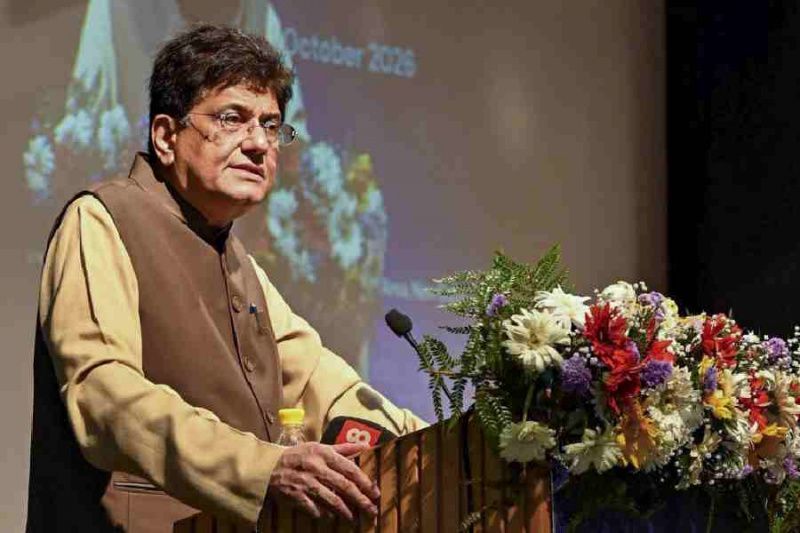
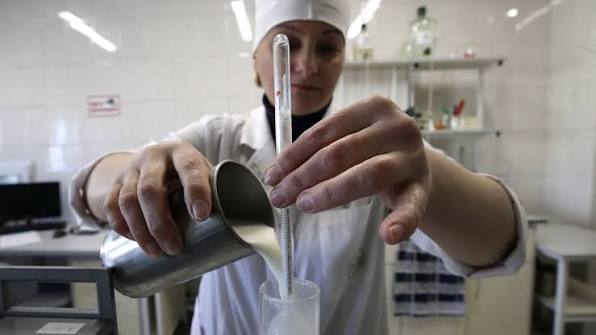
Responding to a question about trade negotiations, Goyal said protecting farmers, fishermen and micro, small and medium-sized enterprises had been a consistent feature of India's agreements. He identified some agricultural goods, marine products and dairy as areas requiring particular care. India had never granted any trading partner access to its dairy sector, he said, and would continue to exclude genetically modified products. He described the government's negotiating objective as securing employment and sales opportunities for competitive Indian producers, including small businesses and farmers.
Religious considerations also shape India's dairy requirements, Goyal said. He cited the use of calf meat or rennet by producers abroad and said certification was required to protect religious sensitivities. Rennet, an enzyme employed in making cheese, is traditionally extracted from the stomach lining of young calves. Indian import rules also bar products obtained from animals given feed containing animal-derived material. The United States has substantial commercial interests in both dairy and genetically modified agricultural goods.
Agriculture provides livelihoods for a large share of India's population, with small and marginal farmers accounting for most producers. Policymakers are concerned that inexpensive GM crop imports from developed countries, where farming is highly mechanised and subsidised, could push down domestic prices and reduce rural earnings. Food safety, environmental risks, farm livelihoods, religious considerations and protection of domestic trade interests also make these products sensitive subjects.
For exports, Goyal identified textiles, pharmaceuticals, agricultural products, and gems and jewellery as sectors in which India seeks preferential treatment. Negotiators aim to secure tariffs on Indian goods below those applied to competing suppliers from Indonesia, Malaysia, Vietnam, China and the Philippines. He said the purpose was to obtain a tariff advantage over those competitors and create opportunities for Indian businesses and agricultural producers.
Goyal said India was targeting $1 trillion in combined goods and services exports in 2026-27. Exports in April-September 2026 totalled approximately $480 billion, around 14% higher than a year earlier. Reaching the annual goal would require another $520 billion during the remaining six months, he said. He described October's export performance as very good; the official figures for that month were scheduled for release in mid-November.
On employment, the minister said the government was encouraging domestic manufacturing, government jobs and opportunities for people seeking regular work. He also urged students to consider entrepreneurship and start-ups, pointing to the opportunities available in those fields. His remarks linked the government's efforts to expand manufacturing with its work to increase employment opportunities.
Asked about Chinese controls on exports of tunnel-boring machines, Goyal said India would pursue domestic production if supplies were disrupted. He referred to India's response when access to rare earths was blocked, saying the country had not pleaded for supplies. Separately, he said India was working with Embraer, Airbus and Boeing to expand aircraft availability in the country, which he said would also support tourism.