Fundación Produce Sinaloa trains women in Mexico to make dairy products
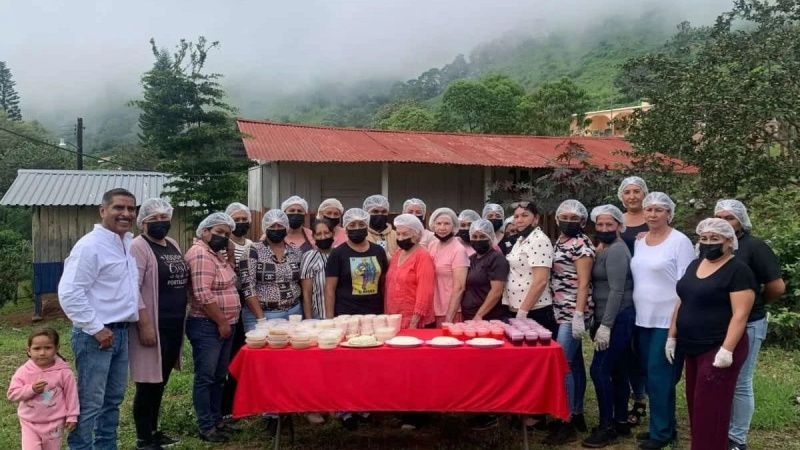
The training took place in Chirimoyos, a mountain community in Sinaloa, with participants from La Petaca, Potrerillos and Chirimoyos. César Oscar Martínez Alvarado, the foundation’s operational co-ordinator for southern Sinaloa, co-ordinated the instruction. Participants learned standardised methods for making botanero cheese, artisanal panela cheese, plain yoghurt, traditional cajeta, condensed milk and whey-based gelatine desserts. The programme aimed to broaden local dairy production and reduce producers’ dependence on commercial intermediaries that pay low prices for raw milk at the farm gate.
In Concordia’s mountain grazing areas, farms keep dual-purpose cattle, and processing provides a way to earn income from the daily milk output of cows on seasonal pasture. The workshop covered hygienic handling of fresh raw milk, including careful filtration and slow pasteurisation at 65°C for 30 minutes, as well as continuous pasteurisation. These treatments were presented as methods for eliminating pathogens while preserving the properties of milk caseins. Instruction also addressed accurate temperature measurement when adding enzyme-based rennet, cutting curds with cheese harps, manual pressing and salting in brine of a controlled concentration.
Finished products were to be kept in hygienic containers and continuously refrigerated at 4°C. The handling guidance addressed premature acidification, shelf life and preservation of the milk-fat emulsion under hot, humid conditions. The course also covered using residual whey in desserts and gelatine preparations. According to the report, this use supplies an additional source of protein and avoids discharging whey into drains or onto land, reducing organic pollution in mountain streams.
The report described competition in regional shops and supermarkets from cheese substitutes and blended products made with dried dairy whey, modified starches and hydrogenated palm or soya fats. Such products are sold in Mazatlán and the agricultural valleys. It identified a market for locally produced fresh ring-moulded cheeses, panela and cajeta among consumers seeking natural foods without synthetic additives. Processing cow’s milk into these products was presented as a means for rural producers to compete in that market.
Local dairy households face rising expenditure on operating inputs, energy-rich feed concentrates and road freight. According to the report, supplementary cattle feed accounts for more than 70% of current operating expenditure per litre of milk on small livestock farms in the region. It linked this cost burden to losses for producers selling only raw milk in bulk at roadside collection points. Direct sales of table cheeses and milk sweets to diners and tourists travelling the mountain roads towards Durango allow women processors to retain the gross marketing margin. The report said weekly cash receipts help cover household spending, preventive care for breeding cows, and purchases of brine, hygienic moulds and cooking gas.
For further development of the businesses, the report called for continuing support from state livestock-development agencies, animal-health committees and social-credit organisations. Its recommendations included establishing rural women’s co-operatives to arrange joint purchases of inputs and laboratory testing to certify herds free of brucellosis and tuberculosis. It also advocated assistance with purchasing small stainless-steel whey-draining tables and commercial refrigeration equipment.
The report additionally proposed developing direct-sales outlets at gastronomic street markets and neighbourhood urban markets in Mazatlán and Concordia. It presented these channels as a way to establish a regular customer base and steadier income for community dairy enterprises.









