Fresh cheese deliveries fall by up to 50% in Mexico’s El Fuerte
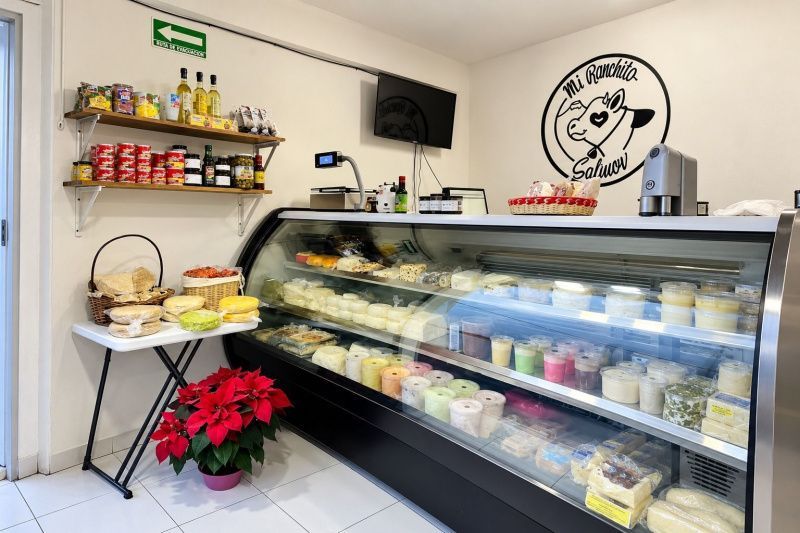
Small grocery shops in rural communities, including Campo Esperanza, are receiving fewer cheeses from traditional producers. Suppliers that previously brought six to eight pieces to each outlet, weighing one kilogram or 1.5 kilograms apiece, have cut deliveries to four. Retailers said demand from regular customers remained firm. With less cheese available, some families were buying two pieces at a time because they were unsure whether they would find any on their next shopping trip.
Artisanal cheesemaking in the Sinaloa highlands depends on the daily supply of raw milk from morning milking at family-run farms and herds raised for both milk and meat. Producing one kilogram of fresh cheese requires an average of eight to ten litres of cow’s milk. The report links lower cheese output to reductions in milk production, and says seasonal water stress, limited supplies of good-quality green pasture and local agroclimatic conditions are reducing yields of milk fat and non-fat solids.
Livestock in the mountainous areas are also subject to veterinary surveillance because of the spread of pests affecting cattle. Farmers have stepped up inspections and clinical treatments. Those treatments require mandatory milk-withdrawal periods to prevent pharmaceutical residues from entering finished products, further restricting the milk available for processing.
The report describes a retail market in which industrial cheese substitutes are widely available in supermarkets and convenience chains. These lower-cost products use ingredients such as palm or soya fats, modified starches and dried whey. Traditional fresh cheese and panela from northern Sinaloa are made with whole, unskimmed milk, natural enzymatic coagulation and moderate salting. Small cheesemakers lack standardised refrigeration infrastructure and insulated tanks capable of keeping milk at 4°C at the milking site. This restricts storage and their ability to build reserves to cover seasonal production gaps and supply neighbouring communities.
Dry-season feeding costs are weighing on family producers. According to the report, supplementary compound feed, alfalfa hay and mineral salts absorb more than 70% of the value of the processed dairy product. Where processing volumes have halved, gross revenue has fallen while expenditure on firewood, gas, rennet and road transport has remained unchanged. Small grocery shops are also losing associated purchases because fresh cheese is a staple that draws customers into their stores.
Limited access to formal livestock finance and insurance schemes prevents traditional farms from purchasing replacement breeding animals or improved forage supplies to stabilise deliveries, the report says. It calls for coordination between local livestock associations, livestock-development committees and state agricultural-support programmes to restore regular supplies across northern Sinaloa. It also advocates technical assistance for small dairy herds in the foothill transition zone, focusing on animal nutrition and seasonal production losses.
The report proposes community milk-collection projects and equipment for rapid pasteurisation at temperatures above 72°C. It presents these measures as ways to standardise artisanal production, improve food safety and reduce recurring retail shortages. The proposals accompany its call for support for livestock profitability and the supply of milk used by rural cheesemakers.