Fonterra Will Report Full-Year Earnings One Year After Selling Its Brands Business
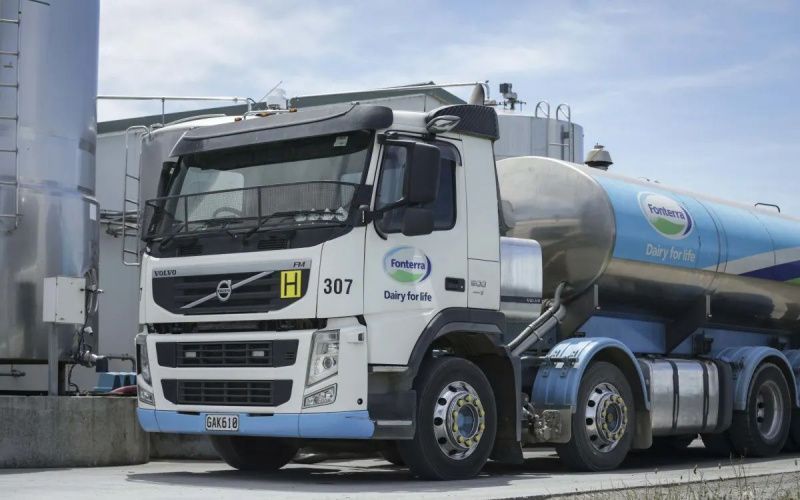
Fonterra’s forthcoming annual report will be the first financial account of the co-operative’s earnings base without the consumer businesses included in the sale. The transaction transferred the Mainland group and associated international consumer brands to French dairy company Lactalis in the previous year, for approximately $4.2 billion.
The disposal was led by Chief Executive Miles Hurrell and Chairman Peter McBride. Fonterra described the move as part of a strategic shift intended to release capital tied up in the divested operations and concentrate resources on commercial activities with higher returns.
Those activities include premium whole-milk powders, specialised whey proteins and foodservice operations in Greater China, Southeast Asia and North America. The co-operative has also identified protein science, clinical-nutrition derivatives and bulk-commodity optimisation as areas of focus following the sale.
For roughly 10,000 farmer-suppliers, a central issue is how the proceeds from the transaction will be allocated. After the initial completion of the sale and the necessary regulatory clearances, Fonterra’s leadership set out plans for substantial returns of capital to suppliers, together with measures to reduce debt.
The planned distributions are being considered against higher costs faced by primary producers, including farm inflation, spending required for environmental compliance and increased borrowing costs. The proceeds could provide suppliers with cash to reduce farm debt and finance improvements to pasture and farm infrastructure, according to the source material.
The consumer division had supplied branded butter, yoghurt and cheese spreads, but also required working capital and exposed Fonterra to competition over retail prices and pressure on grocery margins. The annual results will therefore show the co-operative’s earnings without those revenue streams and will indicate its financial performance after the reorganisation, including its return on capital employed.