FeNIL proposes eight measures to strengthen Spain’s food self-sufficiency
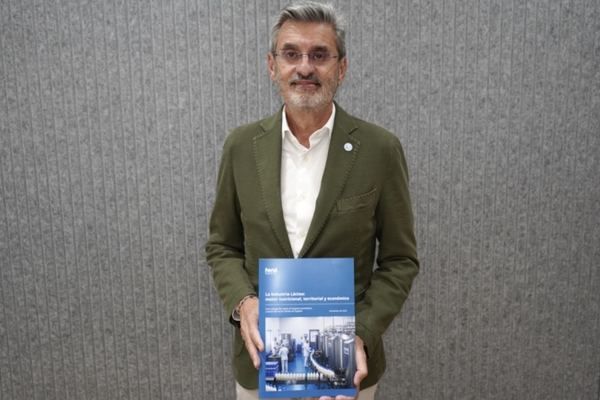
FeNIL’s report estimates that turnover in Spain’s dairy industry reached €15.888 billion in 2025. The sector comprises 1,577 companies, directly employs 30,648 people in industrial operations and ranks second among the country’s food industries. Its supply chain includes more than 14,800 livestock farmers. In addition, 55% of dairy processing sites are located in towns and villages with fewer than 5,000 inhabitants.
Imports meet more than 30% of Spanish demand for dairy products. In 2025, the trade deficit amounted to 492,355 tonnes and €1.5 billion; according to the federation, it was the largest in the European Union. FeNIL believes this imbalance offers opportunities to expand processing within Spain and manufacture higher-value-added products. Cheese offers the greatest scope, according to the document: imports totalled 434,844 tonnes, while exports reached 131,696 tonnes.
The federation also highlights innovation activity. Over the past four years, dairy products accounted for 13% of innovations in the fast-moving consumer goods market, compared with an approximately 10% share of that market’s value. The proportion of successful product launches was 50% in the dairy sector, compared with an average of 29% across the fast-moving consumer goods market.
Among its eight priorities, FeNIL includes strengthening production and bringing in new generations: it calls for support for the continuity, modernisation and expansion of viable farms, as well as the preservation of milk collection services. Another priority proposes cutting red tape, improving tax treatment and supporting rural investment. A third addresses recruitment for farms and processing businesses, alongside the housing and services needed to sustain rural activity. The fourth proposes support for automation, digital tools, efficiency and the viability of production models.
On consumption, the organisation calls for dairy products to be promoted, particularly among young people, through scientifically supported information and a product range adapted to changing habits. To support international expansion, it calls for stronger export support mechanisms and access to new markets. The priority focused on business scale proposes removing restrictions on the size of farms that comply with environmental and animal welfare requirements, while encouraging cooperation and integration.
The eighth proposal is to agree an innovation pact with retailers to facilitate the market entry and continued availability of new products. FeNIL calls for this to be accompanied by incentives for industry investment in research, development and innovation.









