EU cheese protections: how origin labels preserve traditions and support tourism
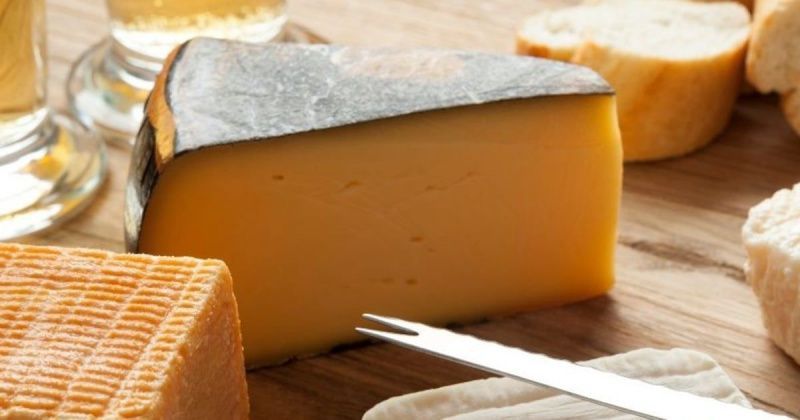
The EU’s annual raw-milk output is about 150m tonnes, while cheese production reached a record 10.85m tonnes in 2024. Its Protected Designation of Origin (PDO) and Protected Geographical Indication (PGI) schemes recognise products associated with particular places and production traditions. McGuigan says the landscapes, local conditions and cultural practices behind European cheeses contribute to their appeal to consumers. He also identifies terroir and a changing climate as factors affecting their flavour and texture.
A survey conducted in Italy in 2025 found that 32.7% of Italian travellers had taken part in a cheese-related activity during the preceding three years, an increase of 7.3% compared with 2021. Normandy and the Italian Dolomites already have established routes for cheese tourism. According to McGuigan, many European cheesemaking traditions developed as farmers sought ways to earn a living in difficult environments. He says the often-scenic locations of these producers appeal to visitors seeking destinations away from established tourist routes. The article describes cheese tourism as a growing activity with the potential to help sustain rural communities and their customs.
Malta’s Ġbejna tan-nagħaġ is a fresh sheep’s-milk cheese. Its PDO specification requires locally grown feed to account for at least 55% of the ewes’ diet. The designation has also restored the use of lamb rennet in its production, alongside the requirement to use sheep’s milk exclusively. The article links these requirements to the protection of Maltese sheep flocks. McGuigan says that, despite his experience with cheese, he had not previously known about Malta’s cheesemaking tradition, and that the registration prompted his interest in other cheeses from the country.
Swedish Kaffeost must be manufactured in the country’s northernmost regions, using raw milk obtained within that area. Producers frequently bake it and sometimes smoke it. To serve it, small pieces are warmed in hot, boiled coffee. Some versions use reindeer milk, according to McGuigan. He says Swedish artisanal cheesemaking came close to disappearing following the second world war, putting traditional methods at risk. Wrångebäcksost became the first Nordic cheese with PDO recognition; Kaffeost is the latest Swedish addition described in the article. A group of dairies backed its designation to preserve its heritage and introduce the coffee-serving custom to a wider audience.
France’s Pérail PGI comes from the Grands Causses, where cheesemakers have used traditional methods for centuries. McGuigan says farm families historically consumed it towards the close of the lactation cycle, making it from milk remaining after Roquefort PDO production. During the 1980s, several cheesemakers began earning their livelihoods from Pérail production itself. Its protected designation followed about four decades later. McGuigan presents its development from a household food into a product supporting specialist cheesemakers as an example of the traditions covered by geographical indications.
Spain’s Queso de Burgos PGI is produced in Castile and León, a region with several protected cheeses and a tradition of combining milk from different animal species. McGuigan says this practice arose from practical constraints: sheep are difficult to milk in winter, and producers supplemented smaller supplies of sheep’s milk with cows’ milk. He cites Queso de Burgos as an example of Spanish cheesemaking beyond the better-known Queso Manchego PDO. Both the Spanish example and Pérail illustrate the range of production practices recognised within countries with longstanding cheese industries.
At the 2024 Great Taste Awards, dozens of EU cheeses received three stars, while further entries earned either one or two. McGuigan highlighted Croatia’s Paški sir PDO, Italy’s Asiago PDO and Spain’s Queso Castellano PGI among the less familiar award-winning cheeses. He said the winners included established names alongside products with a lower public profile. The article was paid for by the European Union and featured McGuigan in his role advising the “More Than Only Food & Drink” campaign.