Epamig and CCPR extend dairy-cattle breeding partnership for at least five years
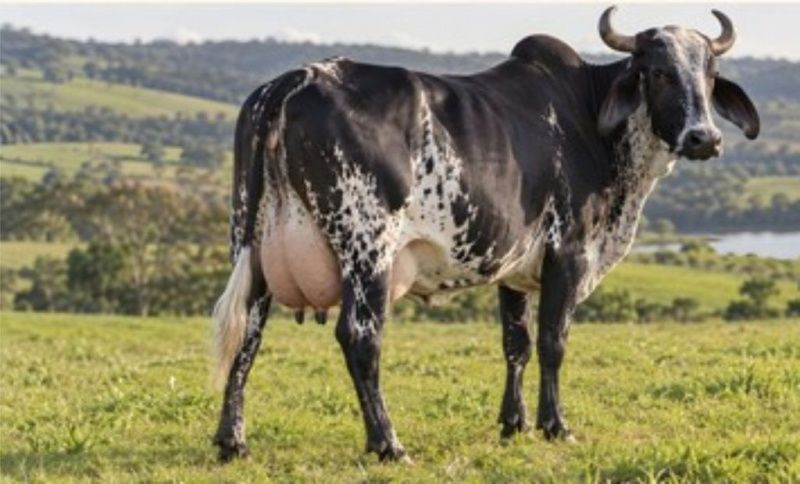
The joint programme supplied around 60 Girolando heifer calves with improved genetics in 2025. For 2026, the partners expect the annual total to reach about 171 animals. Clenderson Gonçalves, head of the agricultural business advisory office at Empresa de Pesquisa Agropecuária de Minas Gerais (Epamig), said the longer-term ambition was to increase annual production to between 300 and 400 calves, taking account of Epamig’s production capacity.
Girolando cattle are a cross between Gir and Holstein animals. Epamig’s work on dairy Gir genetics spans more than 70 years and focuses on selecting and breeding cows for high milk output while retaining characteristics associated with zebu cattle. These include tolerance of heat and resistance to pests and tropical diseases.
The breeding programme uses in-vitro fertilisation, combining eggs from elite Gir cows with semen from selected Holstein bulls. The process produces female calves bred for high milk yields and suitability for pasture-based production. Genetic-improvement technologies also offer the possibility of producing A2A2 milk, which the article describes as attracting growing market demand.
Gonçalves described the arrangement with Cooperativa Central dos Produtores Rurais (CCPR) as a way to improve both milk productivity and quality in Minas Gerais. He said the organisations had already been working together before formalising the continuation of their cooperation at the meeting. Under the arrangement, CCPR handles the acquisition of calves and their subsequent transfer to cooperative members.
Maurício Eduardo Barboza, a member of CCPR’s board and president of Cooperativa Agropecuária de Cordisburgo (Coacor), said the collaboration offered cooperative farmers greater access to quality genetics. He linked that access to improvements in dairy herds and to strengthening dairy farming. Barboza also described Epamig as a reference institution for research and development in dairy cattle.
“We recognise Epamig as a reference in dairy-cattle research and development, and we believe that bringing research and the cooperative movement closer together is essential to delivering innovation and results on farms,” Barboza said. “Our objective is to give producers the conditions to improve the productivity, efficiency and profitability of their farms.”









